
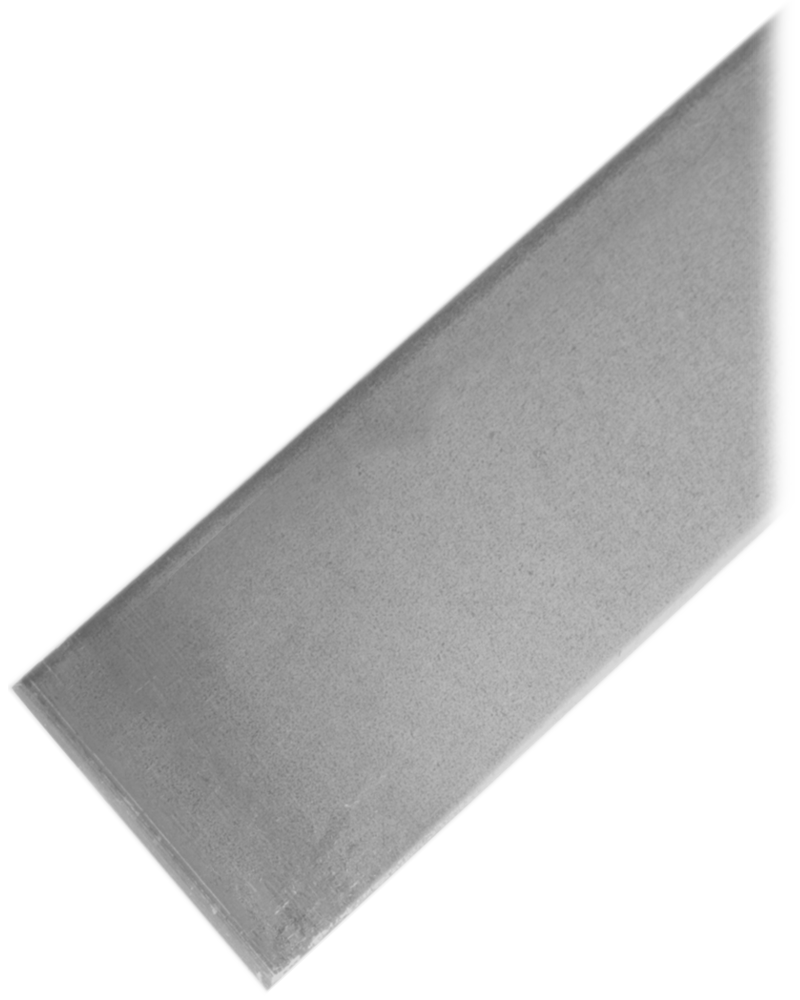
1095 Carbon steel
Tax included.

Skapa något äkta med egna händer
Tusentals nöjda kunder
Snabb leverans
(1–3 dagar)
Naturligt, kreativt och tidlöst
Produkttyp - Knivstål
Verktygstyp - Kolstål
Användningsområde - Knivblad, smidda knivar, stock removal, laminerade knivblad, damaskstål och knivblad med hamon
Erfarenhetsnivå -
Innehåller - 1 st 1095-kolstål i vald dimension och sortering
Material:
Vi skickar nästan alla beställningar samma arbetsdag om du beställer före kl. 14.00.
Normal leveranstid: 1–3 arbetsdagar med Bring.
Kunder i norra Norge kan i vissa fall behöva en extra dag eller två.
Spårning:
Du får ett spårningsnummer via e-post så snart paketet har skickats.
100 % nöjdhetsgaranti:
Vi är helt säkra på att du kommer att bli nöjd. Vi är så säkra att vi erbjuder både full retur och returfrakt. Oavsett. Så det är helt riskfritt för dig att beställa nu för att själv inspektera produkten i ditt eget hem och i din egen takt.
Vi lagerför även reservdelar och slitdelar, så att om du har oturen att gå sönder något eller, mot förmodan, slita ut dina bryn, kan dessa enkelt bytas ut.
Enkel retur:
Kontakta vår kundtjänst så skickar vi dig en ifylld returetikett.
Inga frågor – ingen risk
Läderslöjd är en traditionsrik hobby som kombinerar kreativitet, hantverk och funktion. Genom att arbeta med läder kan du skapa allt från knivslidor, bälten och plånböcker till väskor, armband och dekorativa föremål. Många uppskattar läderhantverk eftersom det ger möjlighet att tillverka unika produkter som både ser vackra ut och kan användas under många år.
En av de stora fördelarna med läderslöjd är att du kan börja enkelt och utveckla dina färdigheter över tid. Med grundläggande verktyg och material kan du lära dig tekniker som skärning, sömnad, formning, prägling och färgning. Allt eftersom erfarenheten ökar, öppnas allt fler möjligheter för avancerade projekt och personliga designer.
Läder är ett levande naturmaterial som utvecklar karaktär och patina genom användning. Detta gör varje projekt unikt och ger en extra dimension till hantverket. Många upplever också läderslöjd som en avkopplande och givande aktivitet där fokus på detaljer och hantverk ger en paus från en hektisk vardag.
Oavsett om du vill tillverka praktiska produkter för eget bruk, personliga presenter eller traditionellt hantverk som knivslidor och friluftsutrustning, är läderslöjd en hobby som kombinerar skaparglädje, kvalitet och hantverksmässig stolthet. Det är en aktivitet som passar både nybörjare och erfarna hantverkare, och som ger stor tillfredsställelse när råmaterialet gradvis formas till en färdig produkt med egna händer.
Beskrivning:
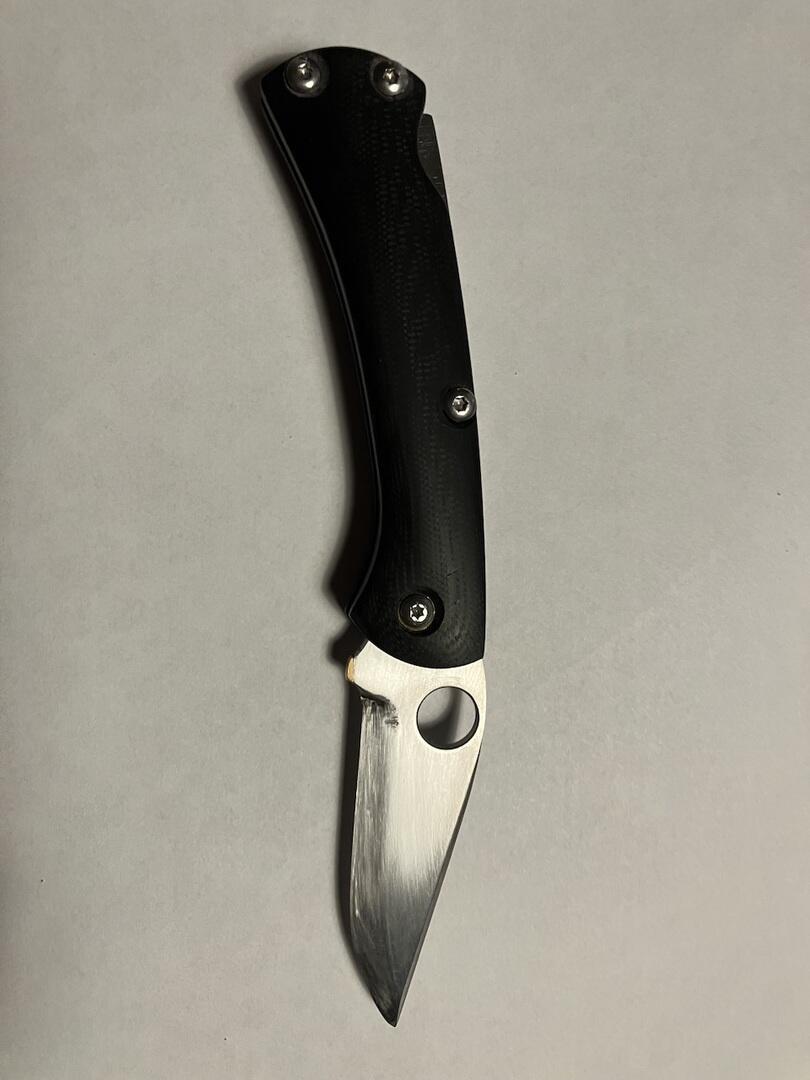
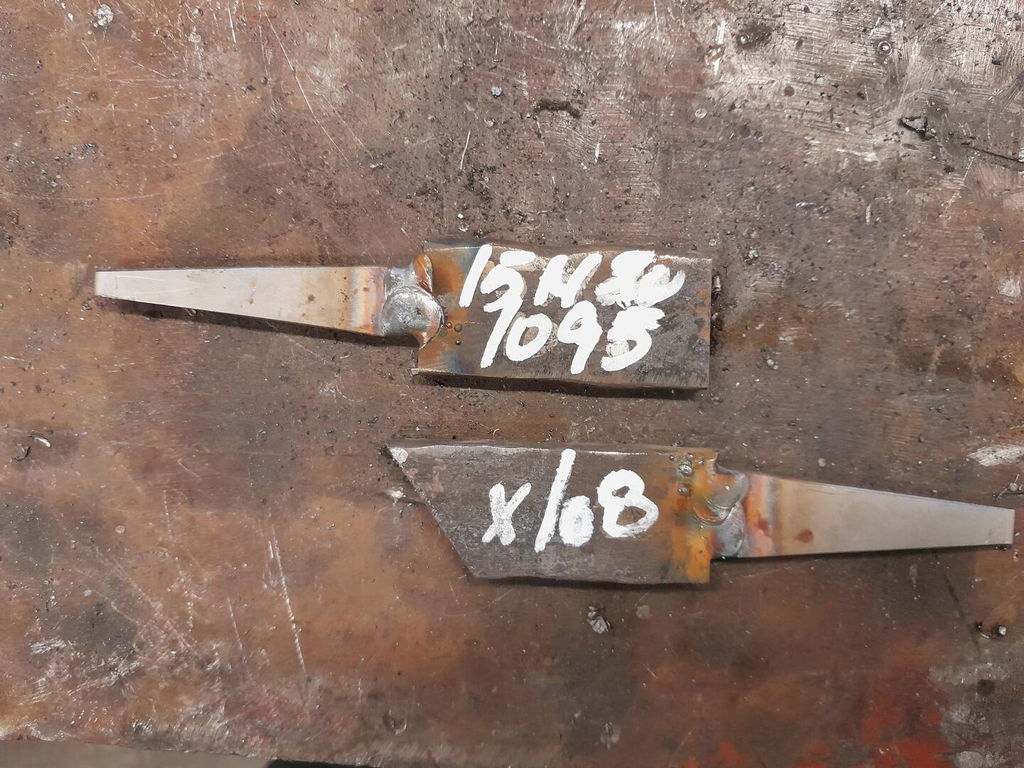
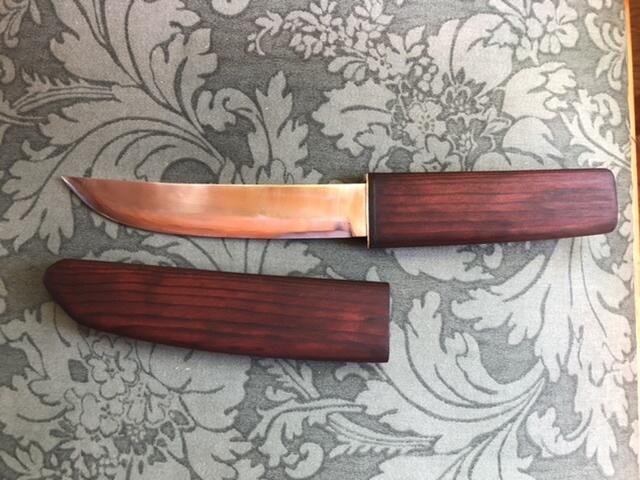
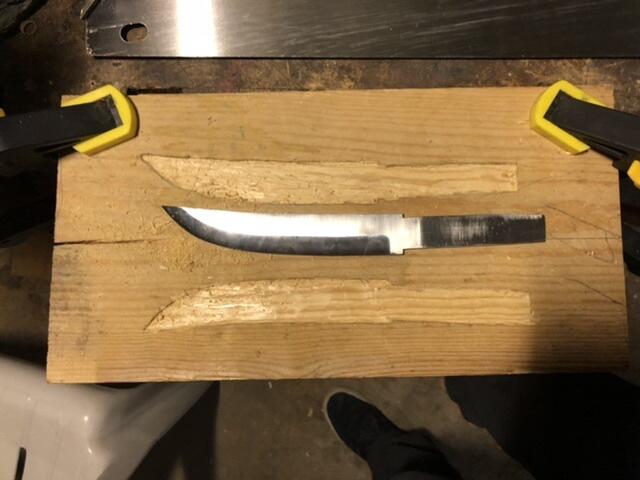
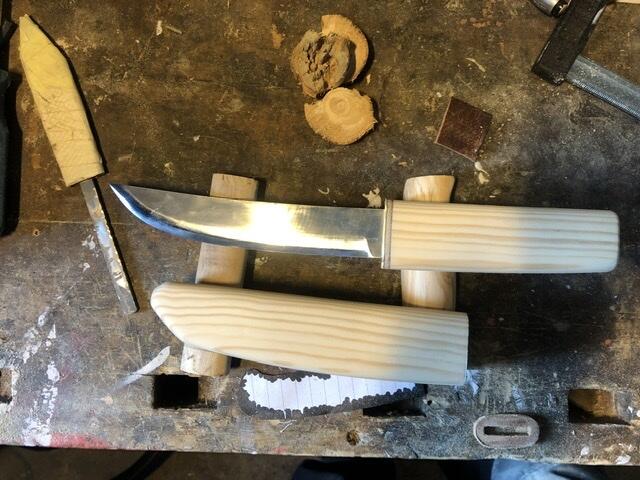
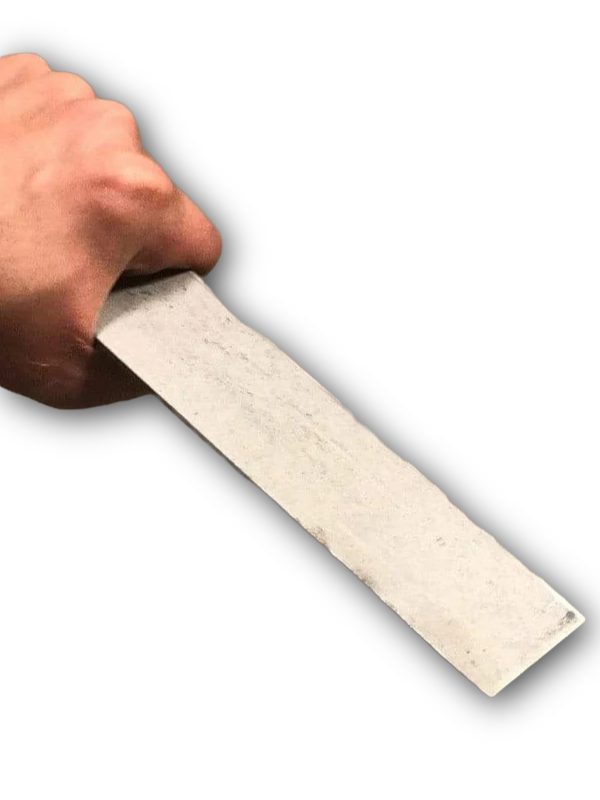
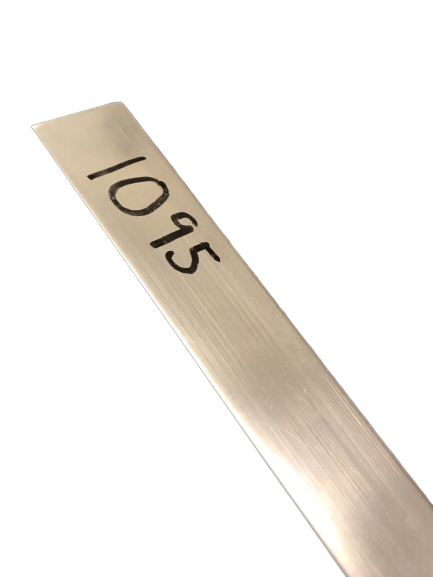
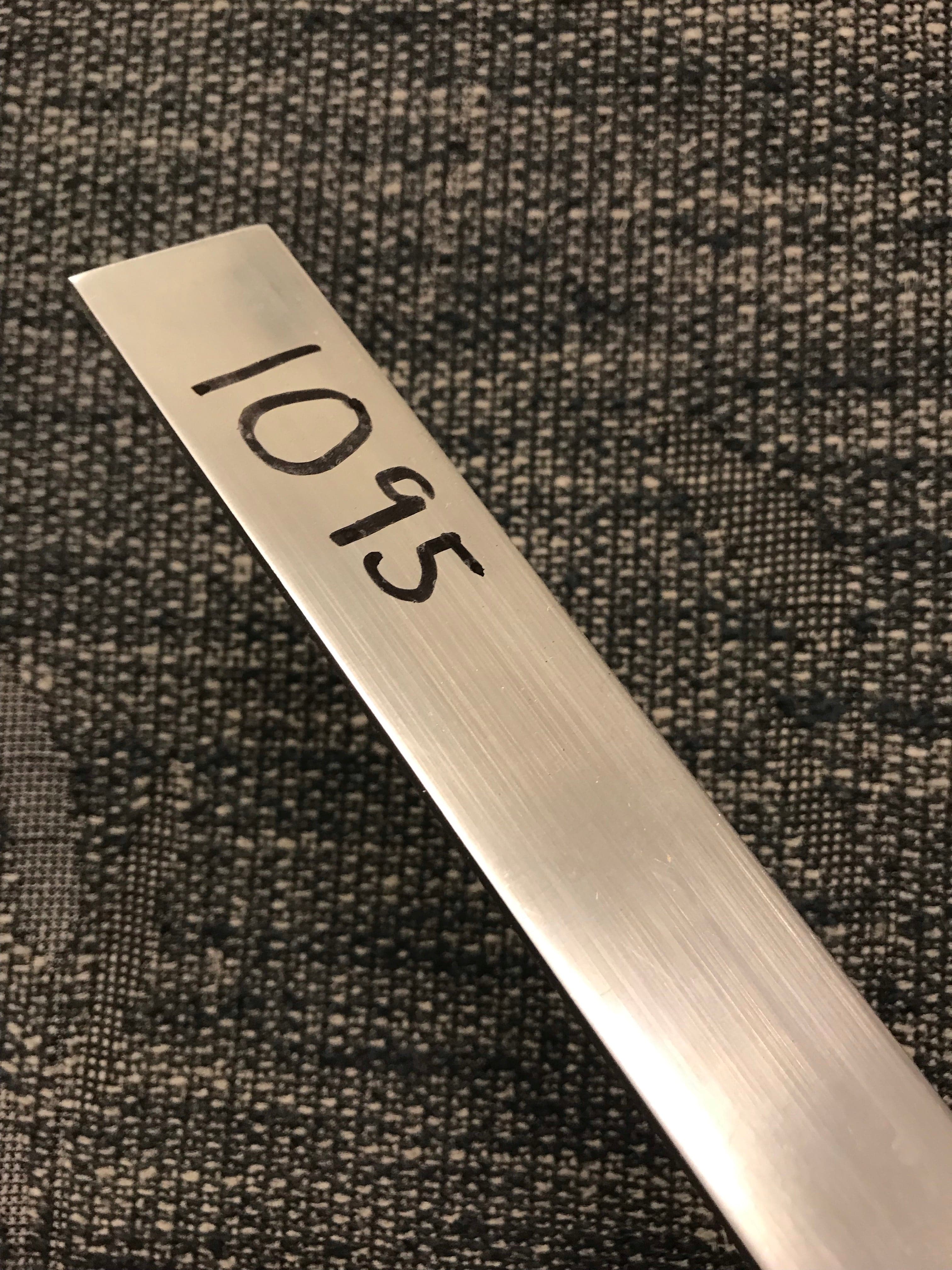
1095 steel is a widely used knife steel. Also called C100s, it is a carbon steel that can be used in solid steel blades, as edge steel in laminated knife blades or in damask. The steel is therefore well suited for both stock removal and forging.
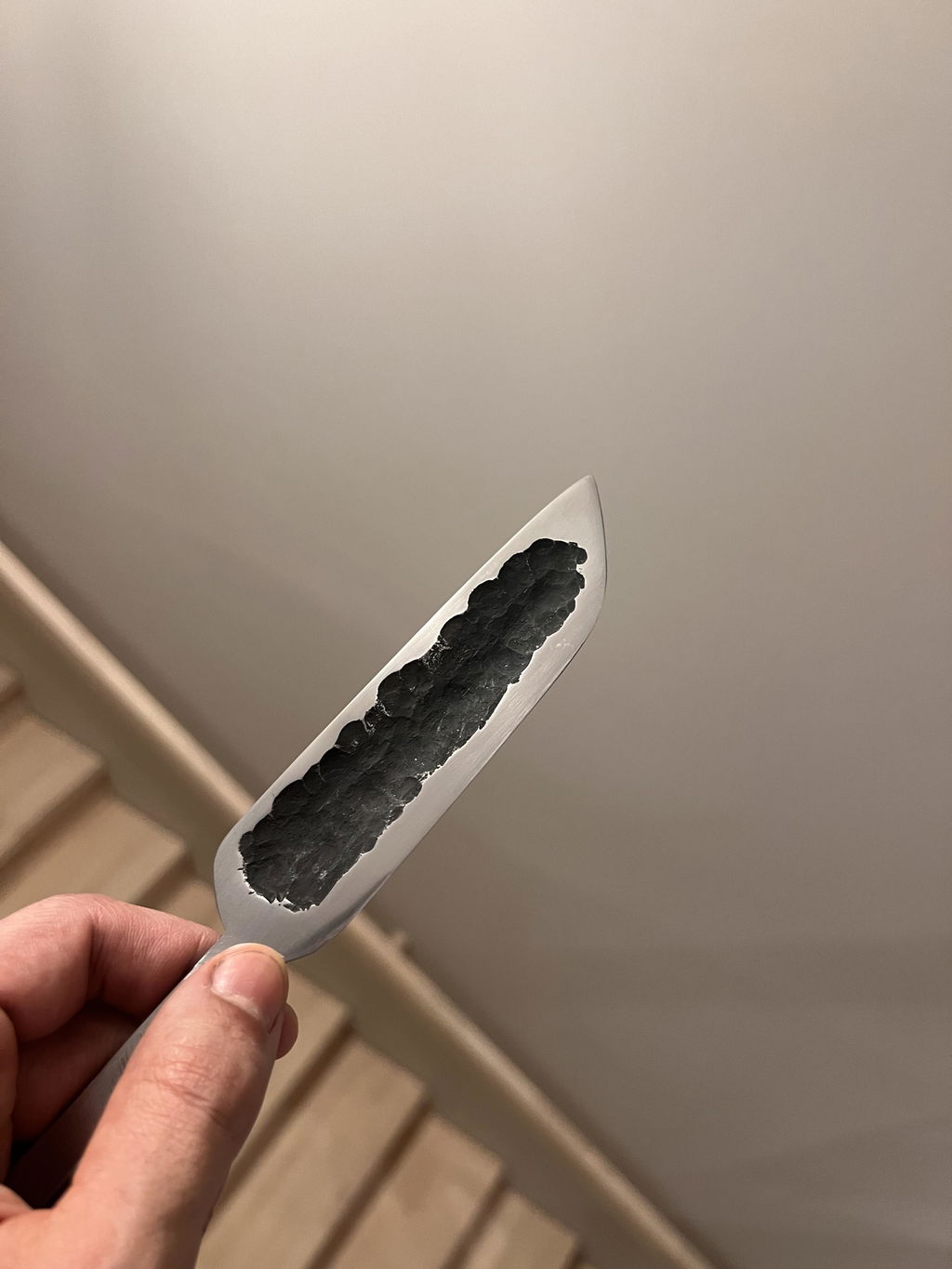
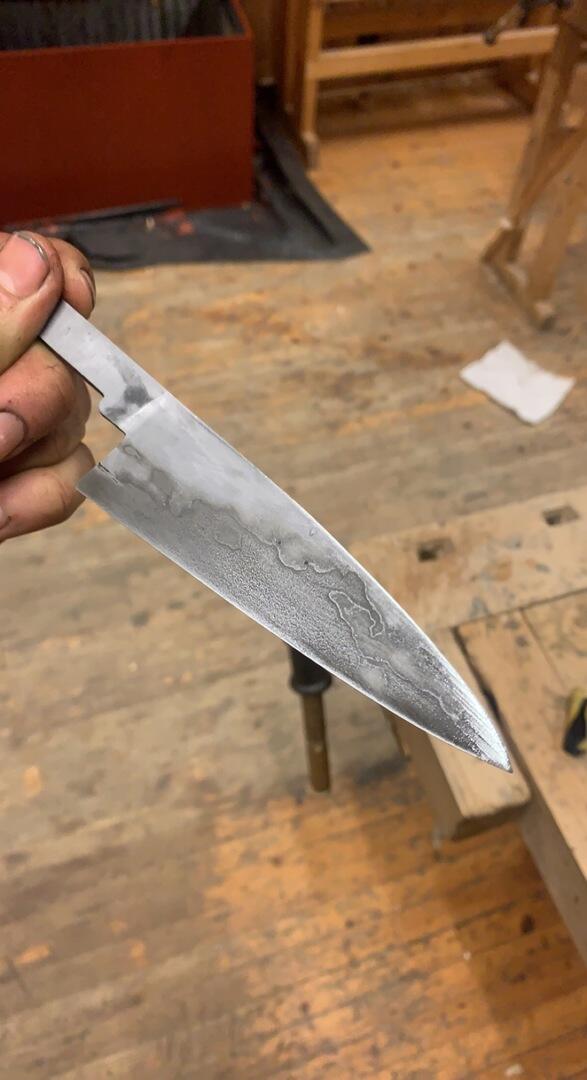
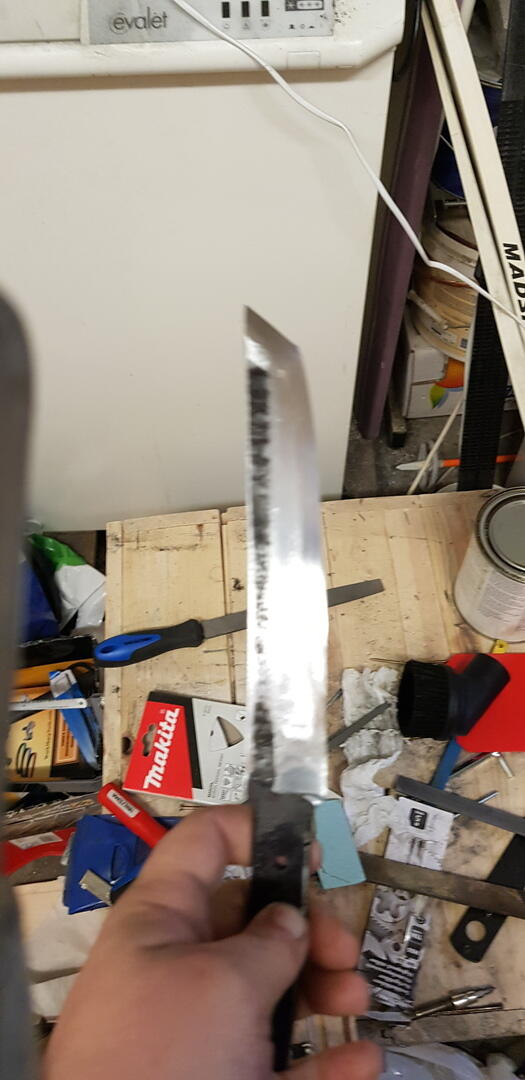
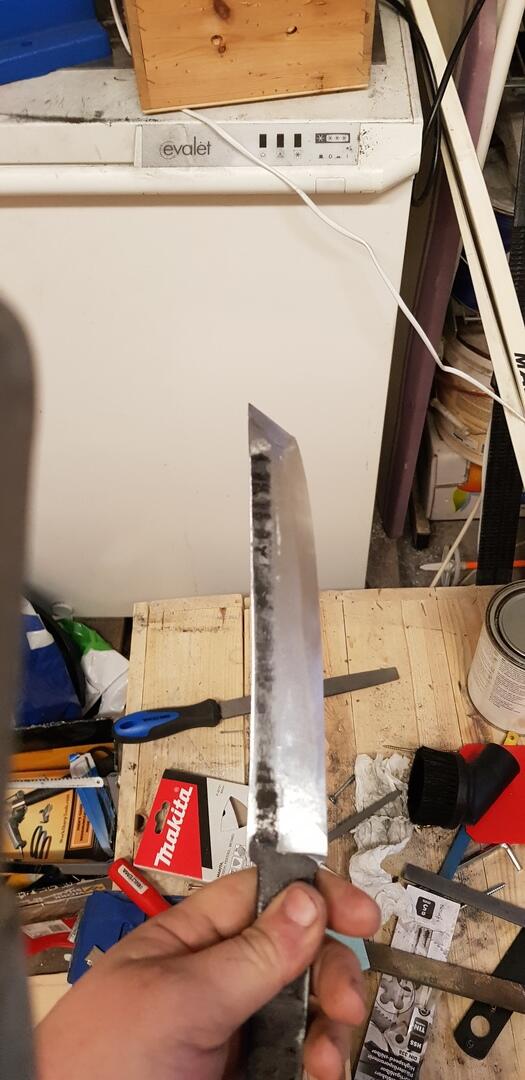
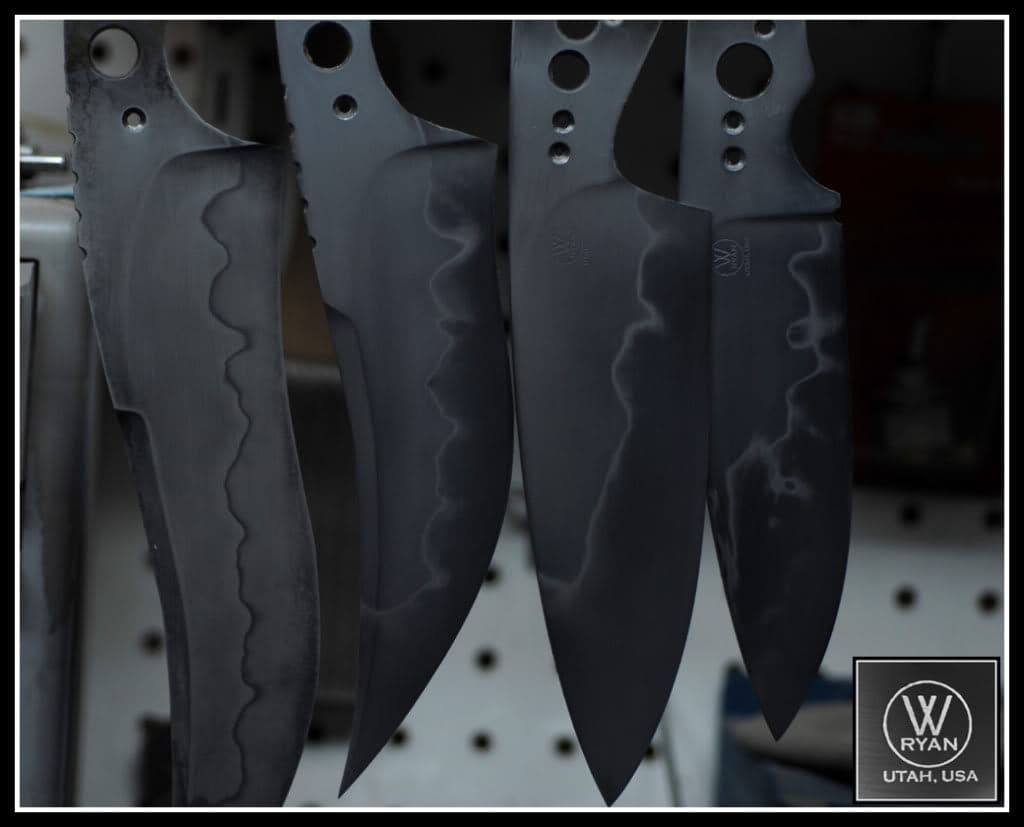
By differential hardening you will be able to give the knife an unparalleled hamon, see example image!
Composition:

In demand and famous worldwide, 1095 is known to most knife makers and is a steel everyone should try.
Austenitizing temperature (hardening temperature): 800-830 C
Example of curing procedure:
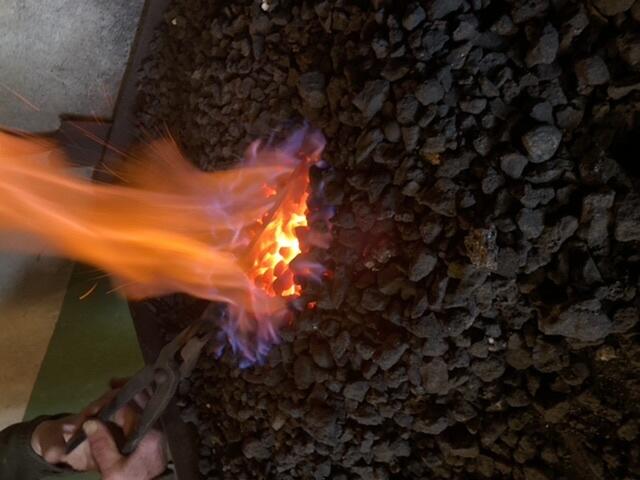
- Heat up to critical temperature (non-magnetic) of around 800 C.
- Cool in water, brackish water or oil. The temperature should go from 800 to below 540 in less than 5 seconds to prevent pearlite formation.
- 200C for 2 hours, then cool in air to room temperature
- 200C for another 2 hours.
We always recommend trying out the hardening process when using a new steel.
The term Sort means Sorting which indicates how flat the piece of steel is. For example, 1st sorting has a bend of less than 1mm per meter, and is therefore practically flat. If you need something flatter than 1st sorting, you must buy flat-ground steel, such as our O1 tool steel or some of our hot rolled steel. Contact us for assistance.
2nd grade has from 1mm up to 4mm bend and 3rd grade has 4mm or more. In other words, 1st grade is the flattest pieces of that type, and 3rd grade is the one with the most bend. The bend comes from the steel being stored on large rolls before being unrolled and cut into smaller pieces, some bend can also come from when the steel is cut.
Contact us if you have any questions!