
BLACK MONTH
Always great deals


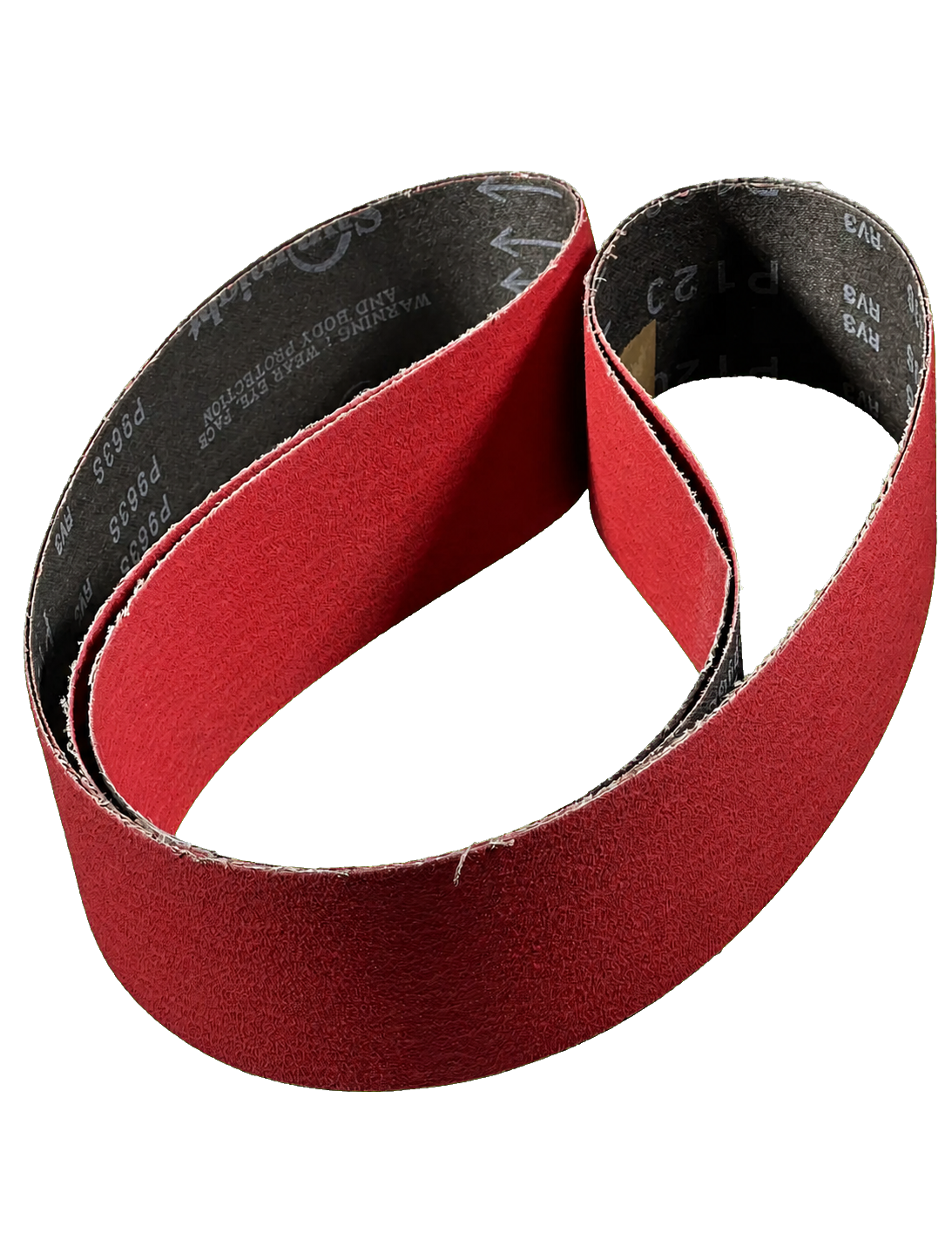


Knife-making offer




One of the most recommended epoxies for knives due to its strength and its unique ability to withstand shock and the elements. See the video to see the difference between G/flex and more common epoxy.
240ml G/flex epoxy (650-8) in convenient, easy-to-handle storage bottles. Also available in a 1000ml set (650-32). The amount of epoxy in this package also makes the price favorable, as one set lasts for many knives.
Easily mixed 1 to 1; stir until it becomes thoroughly transparent. 40-minute open time, cures in 8 hours.
Originally designed for fiberglass repairs on boats that need to withstand a lot of stress, G/flex has become a clear favorite among knifemakers and other handy individuals outside the marine world, where West System is considered a world leader in epoxy in general.
On cold days, they can be placed in a warm water bath before use if desired! This makes the epoxy flow faster, mix more easily, and bond even stronger!


Knife blade on sale


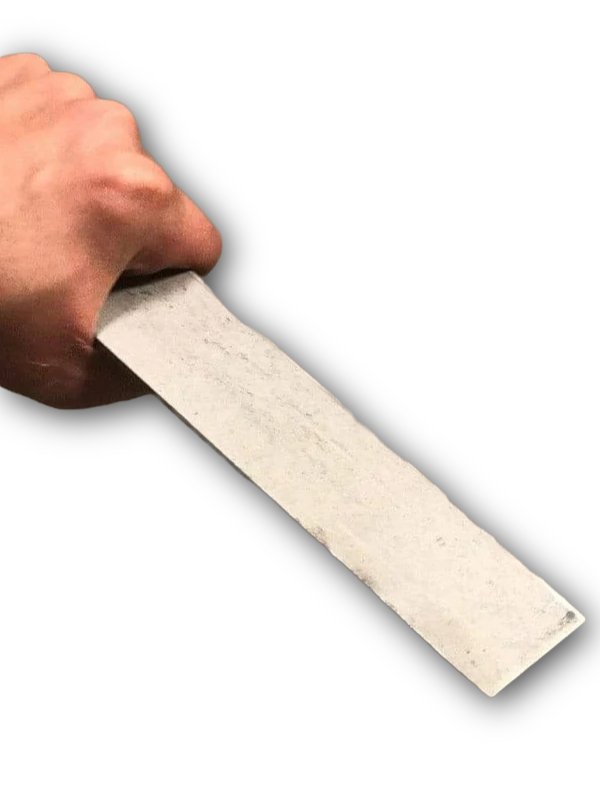
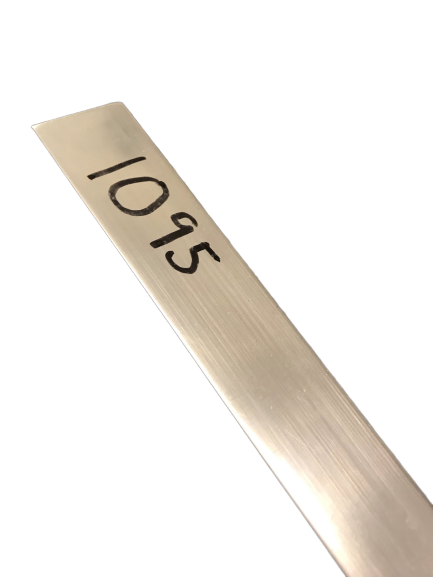
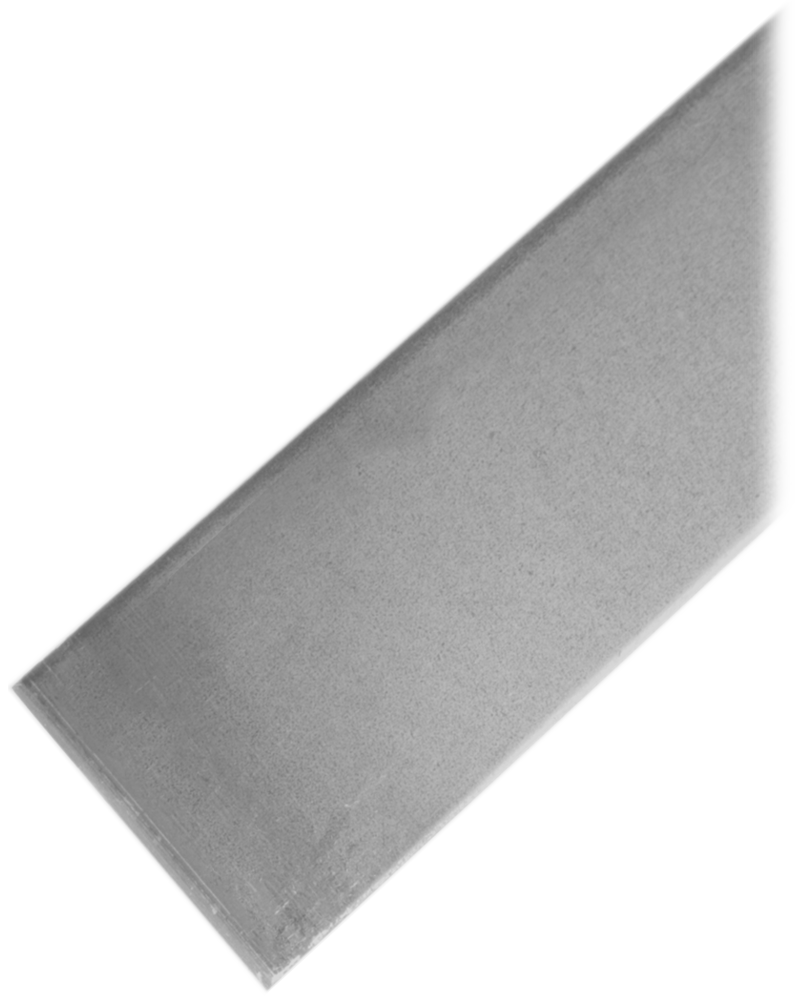
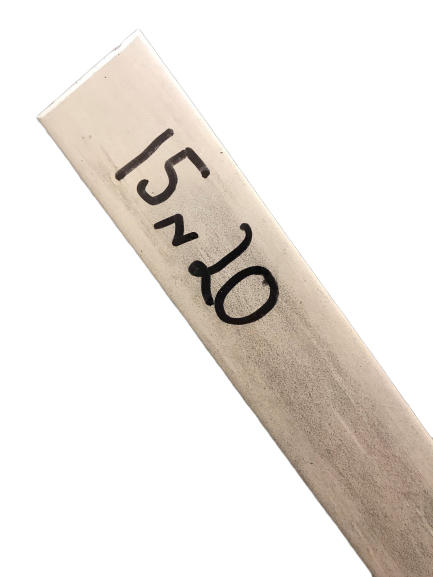
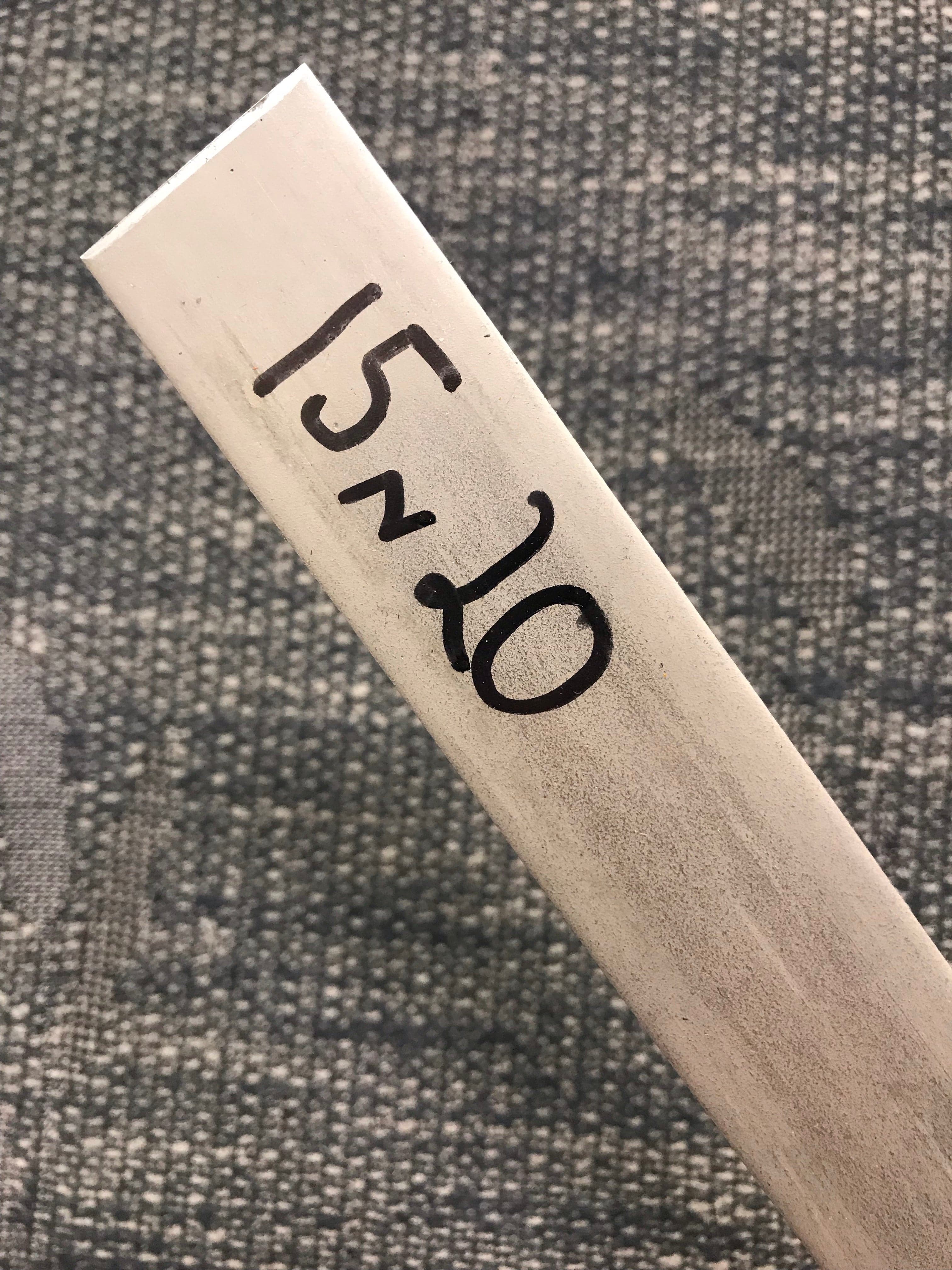
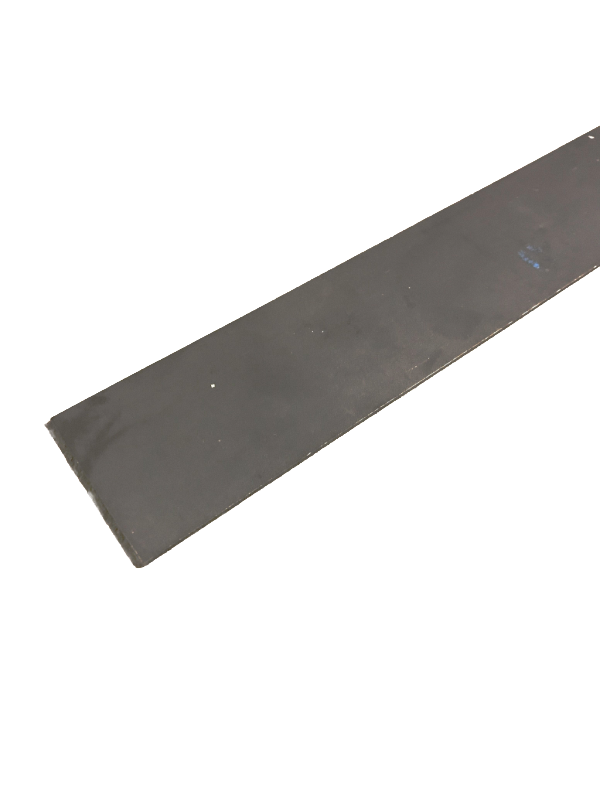
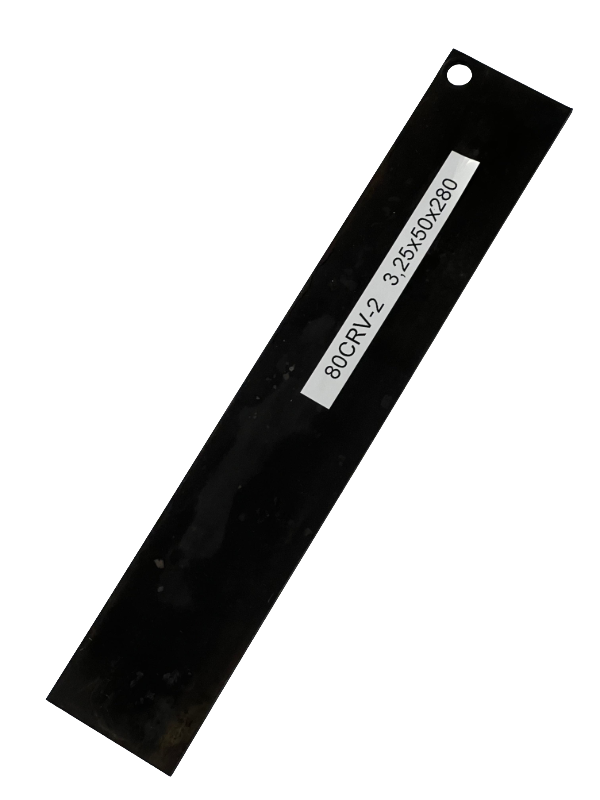
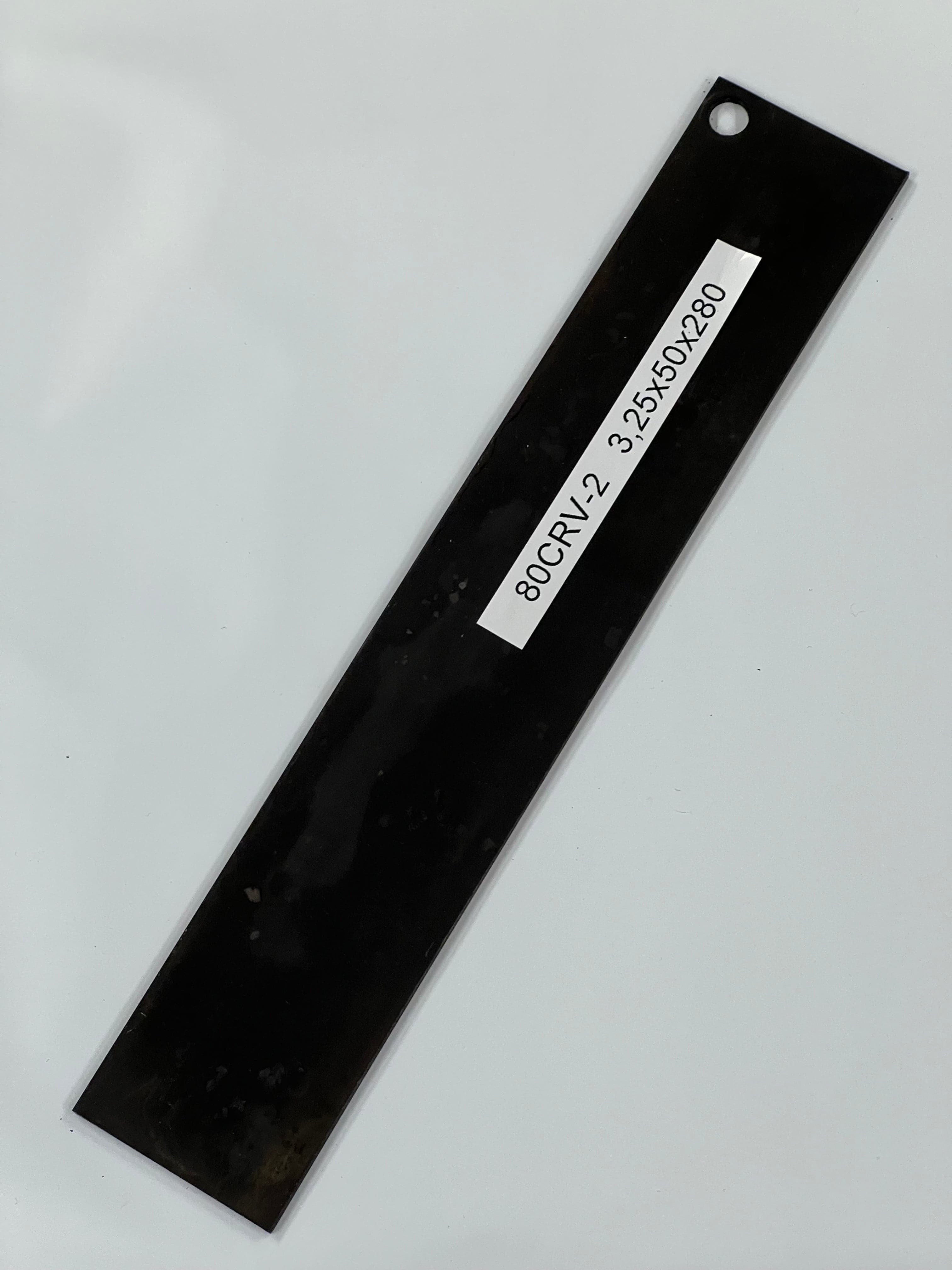
Knife steel on sale





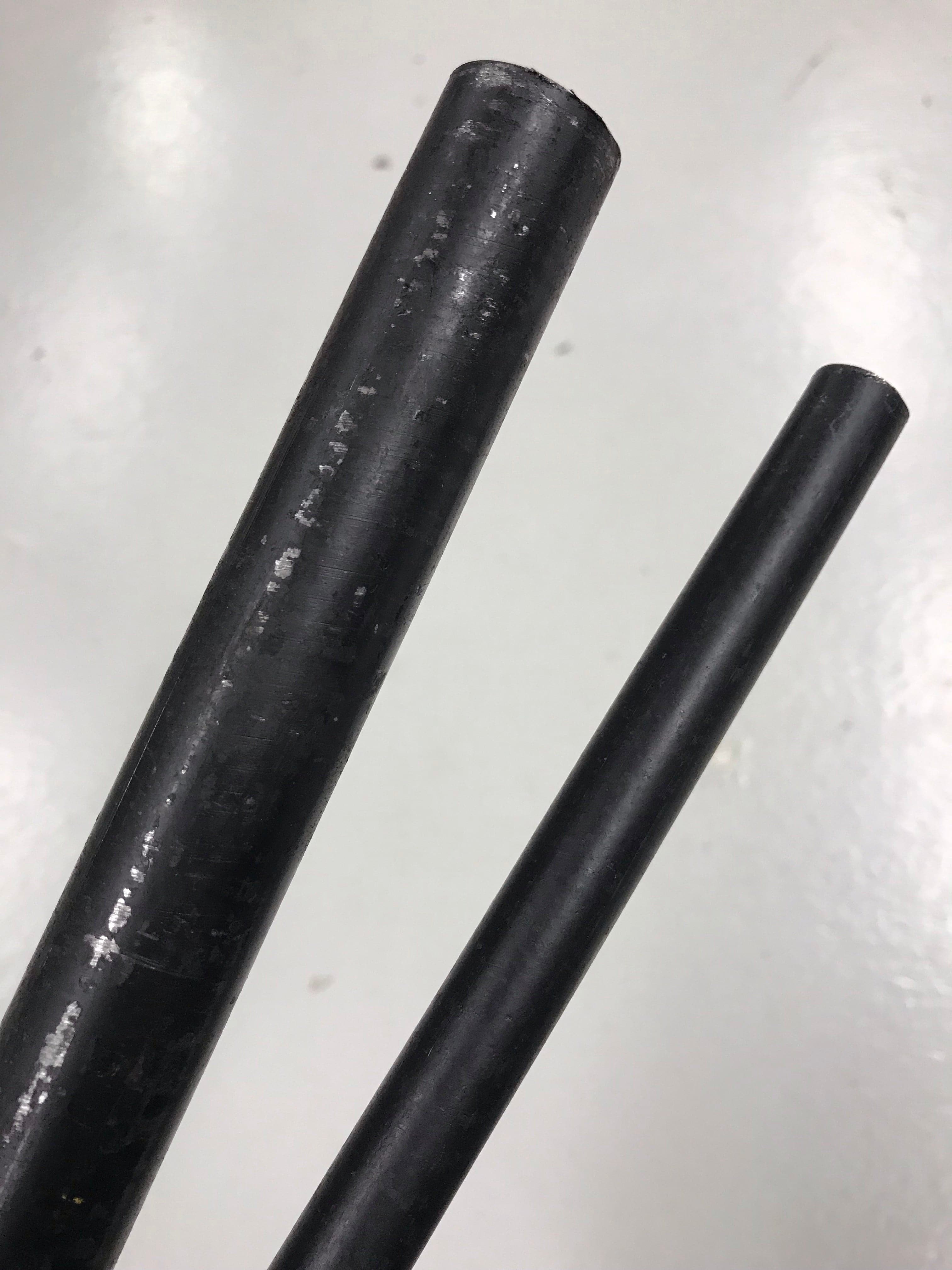
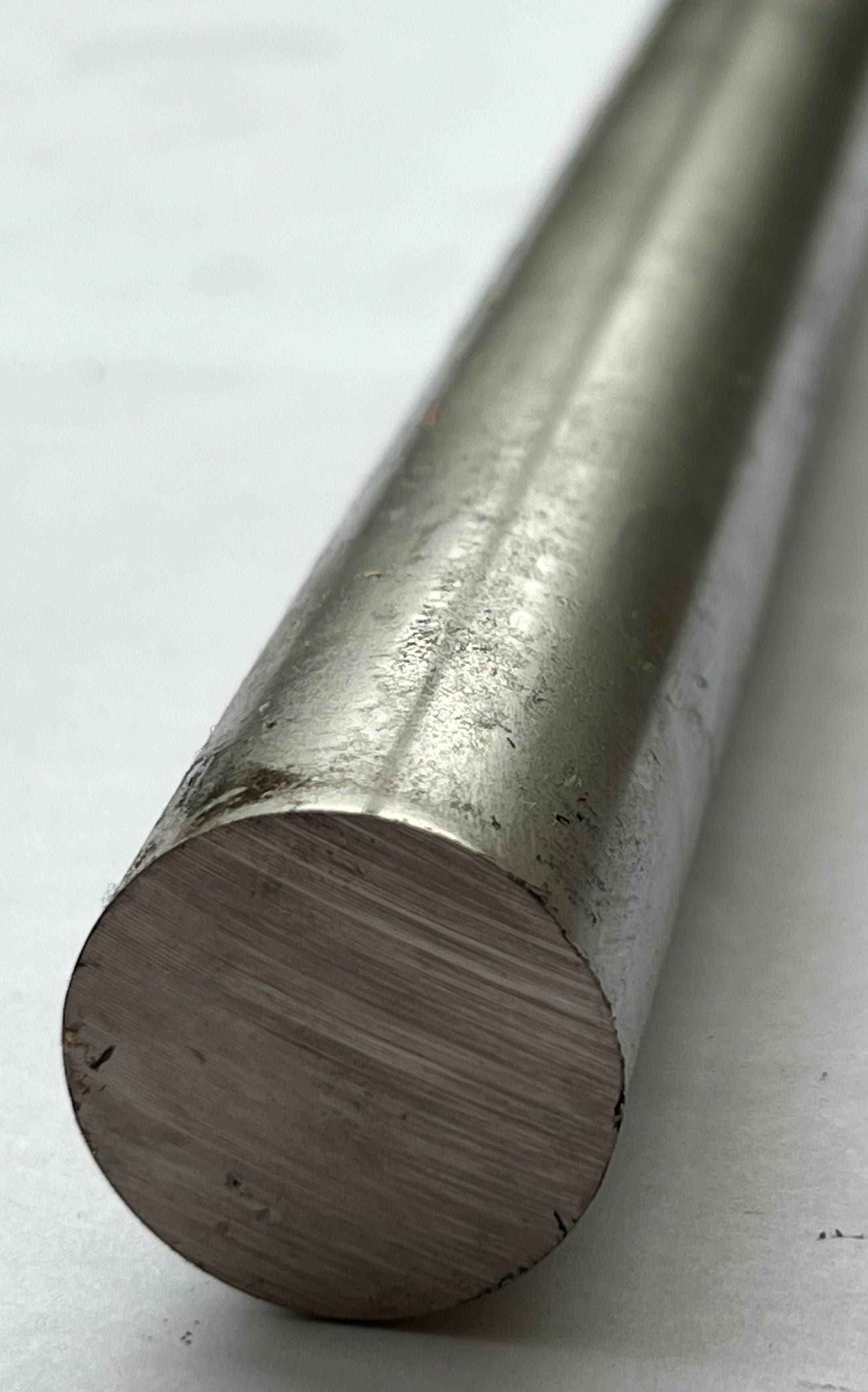
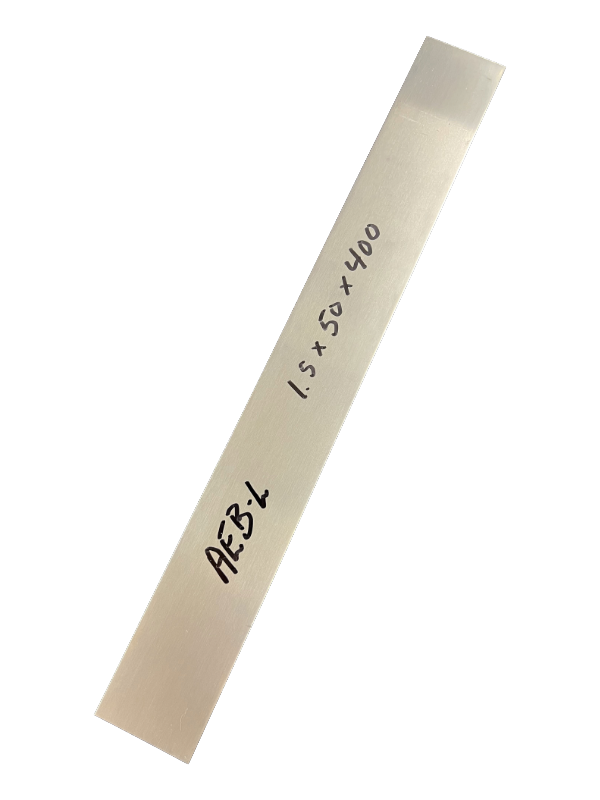




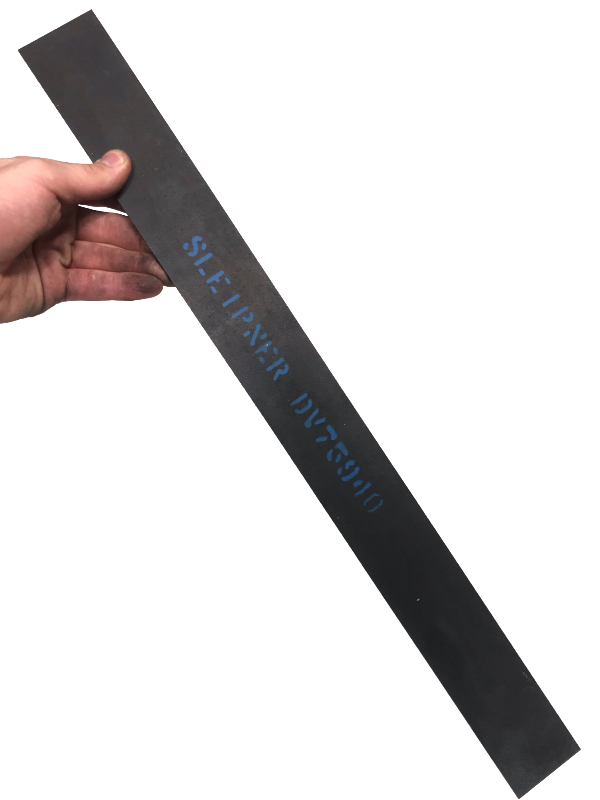

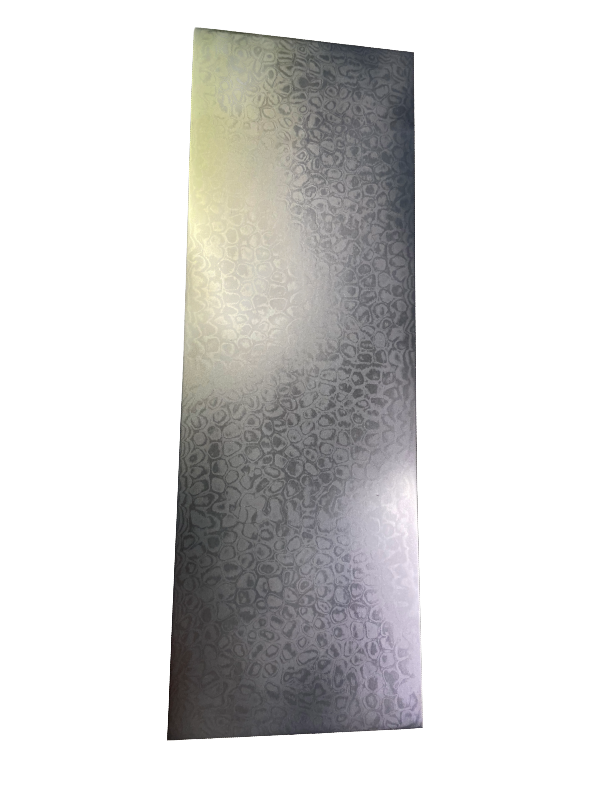
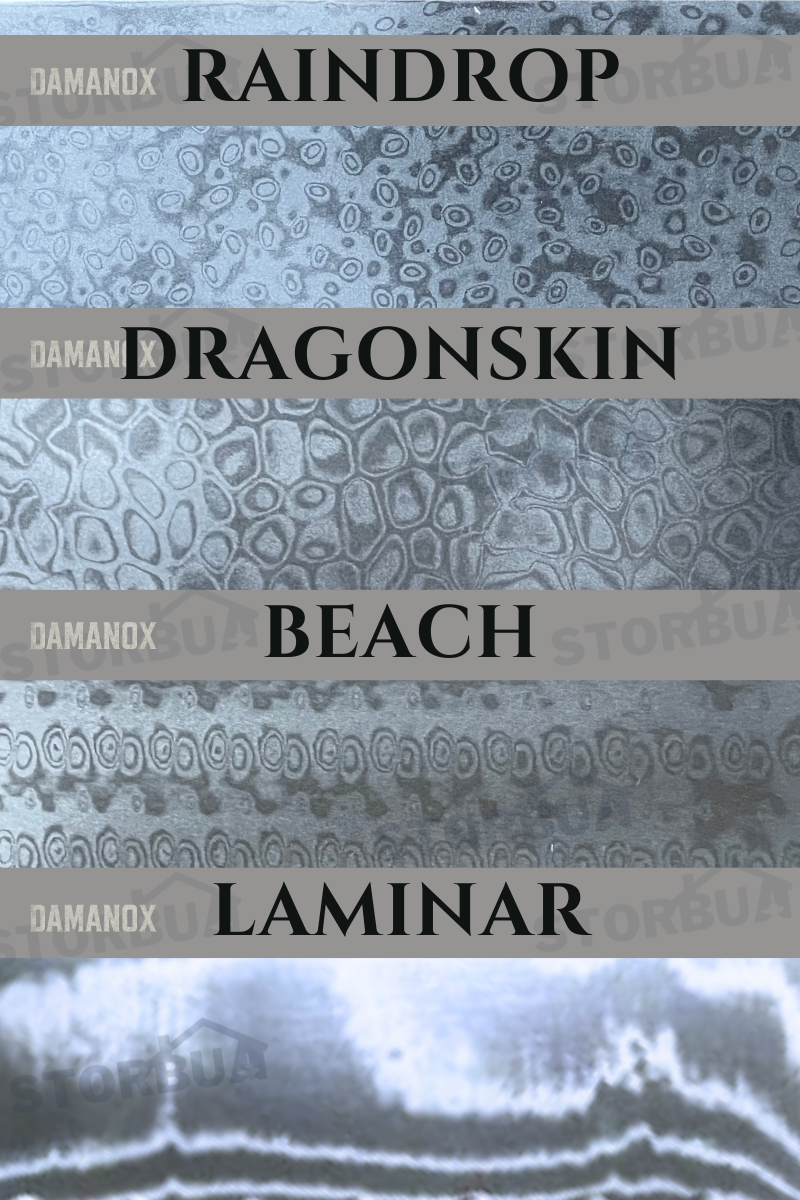
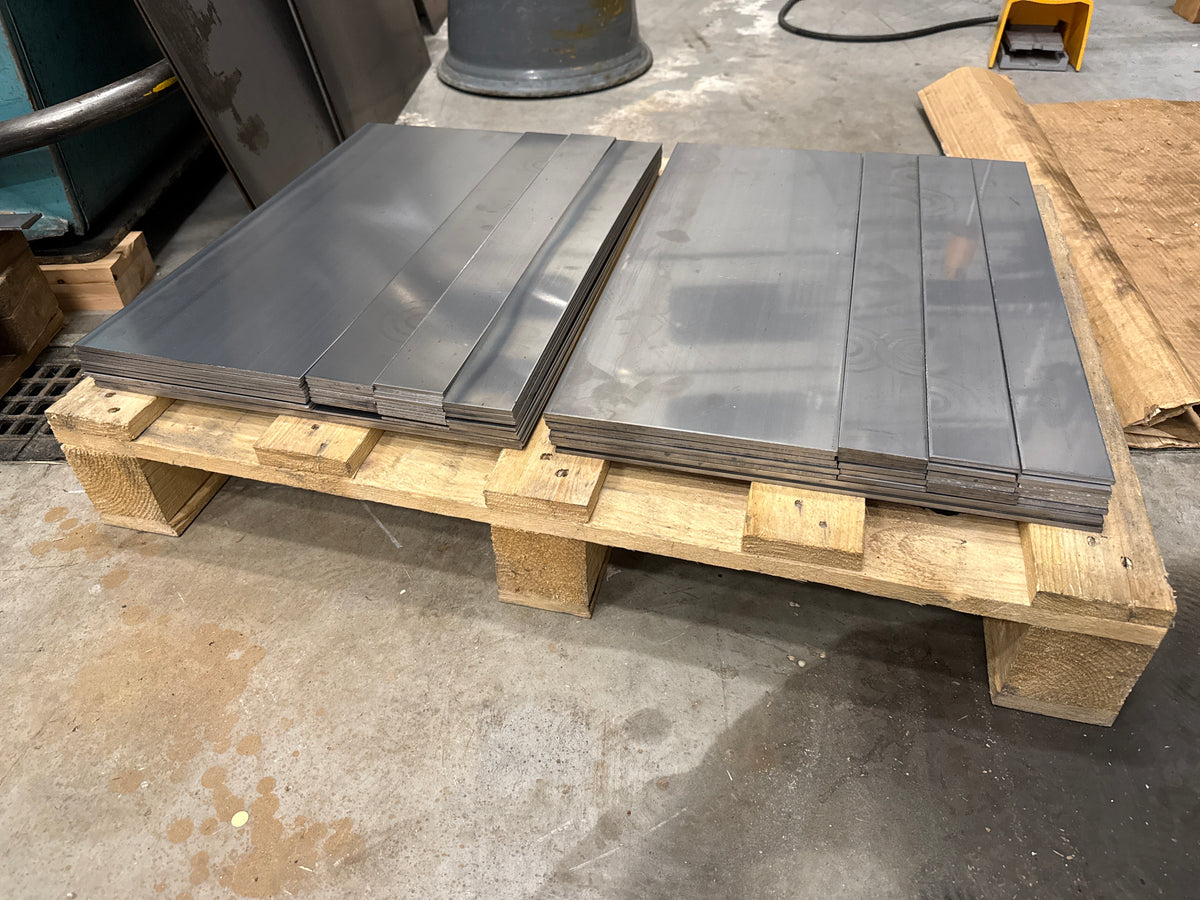
Shaft material on sale


Lunge whip equipment on sale


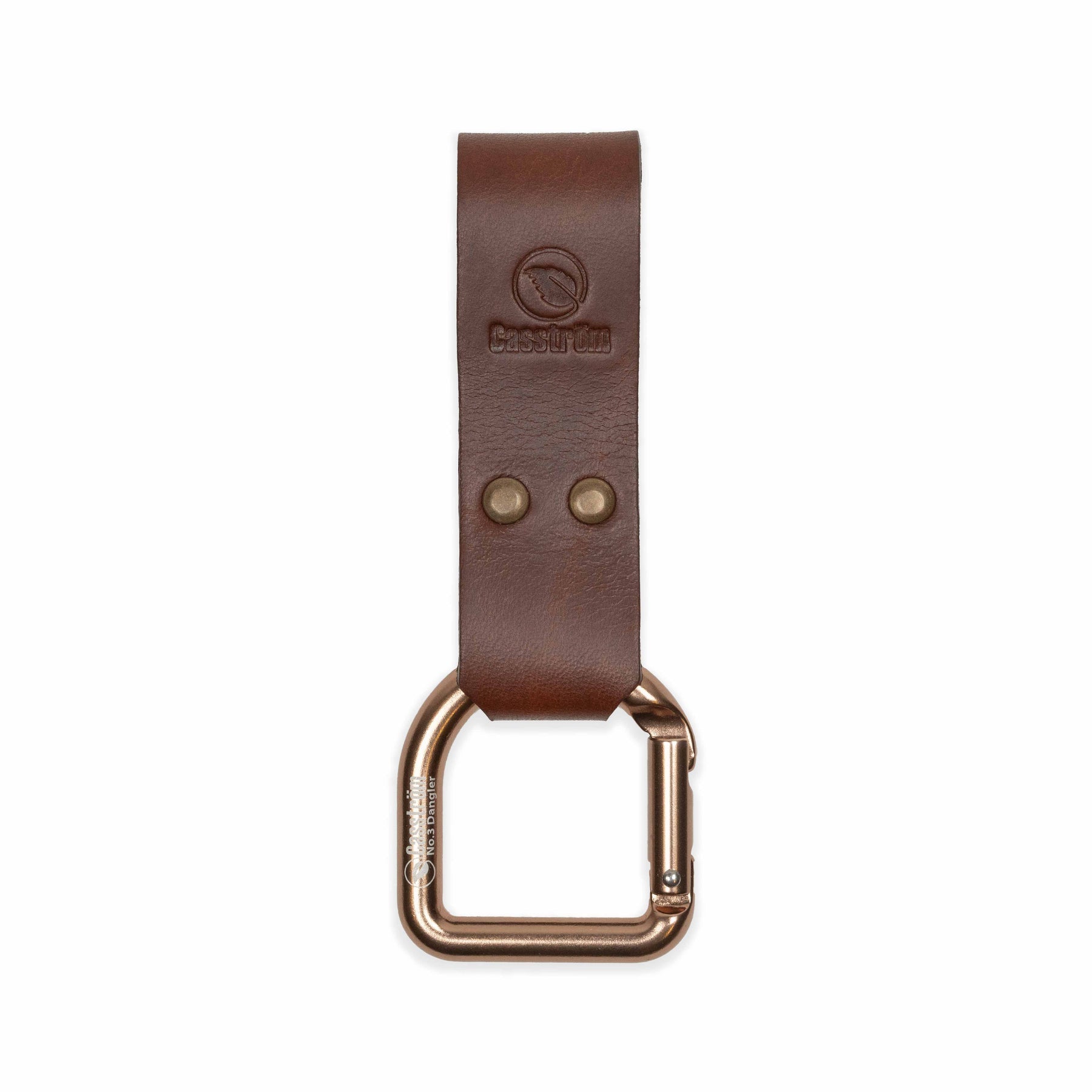
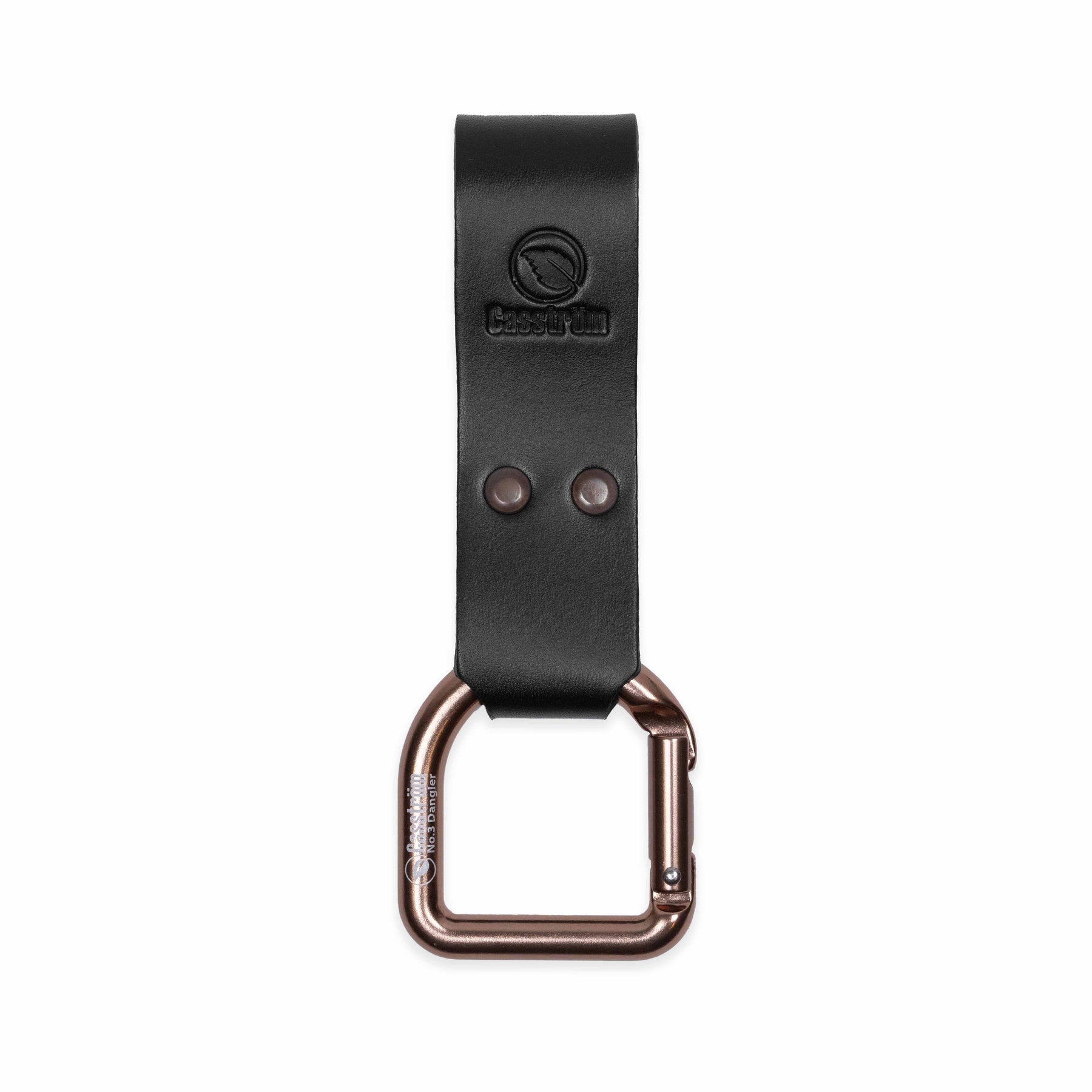


Shaft covers on sale


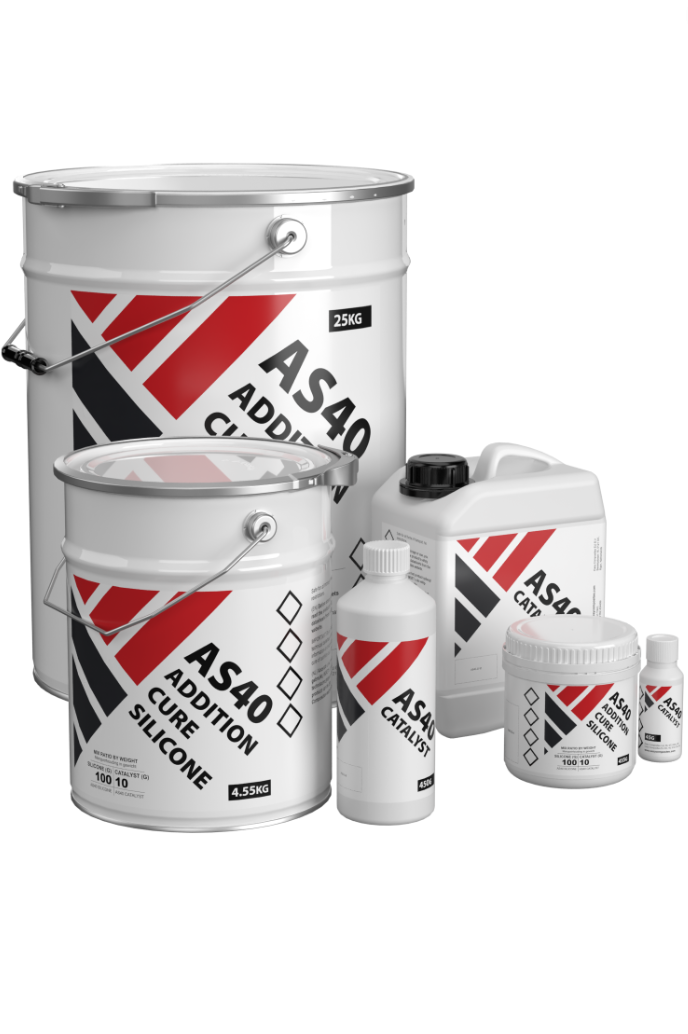
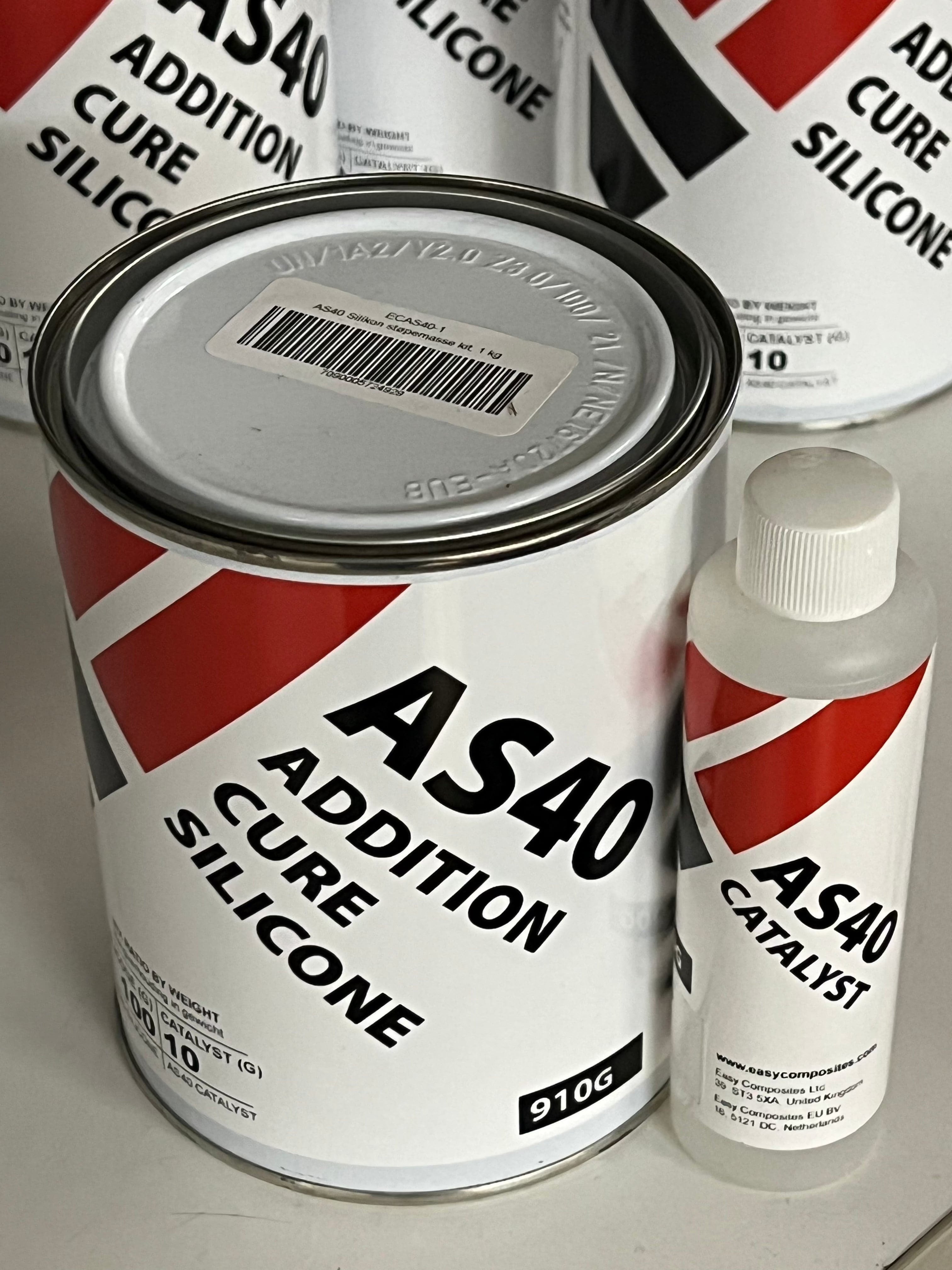
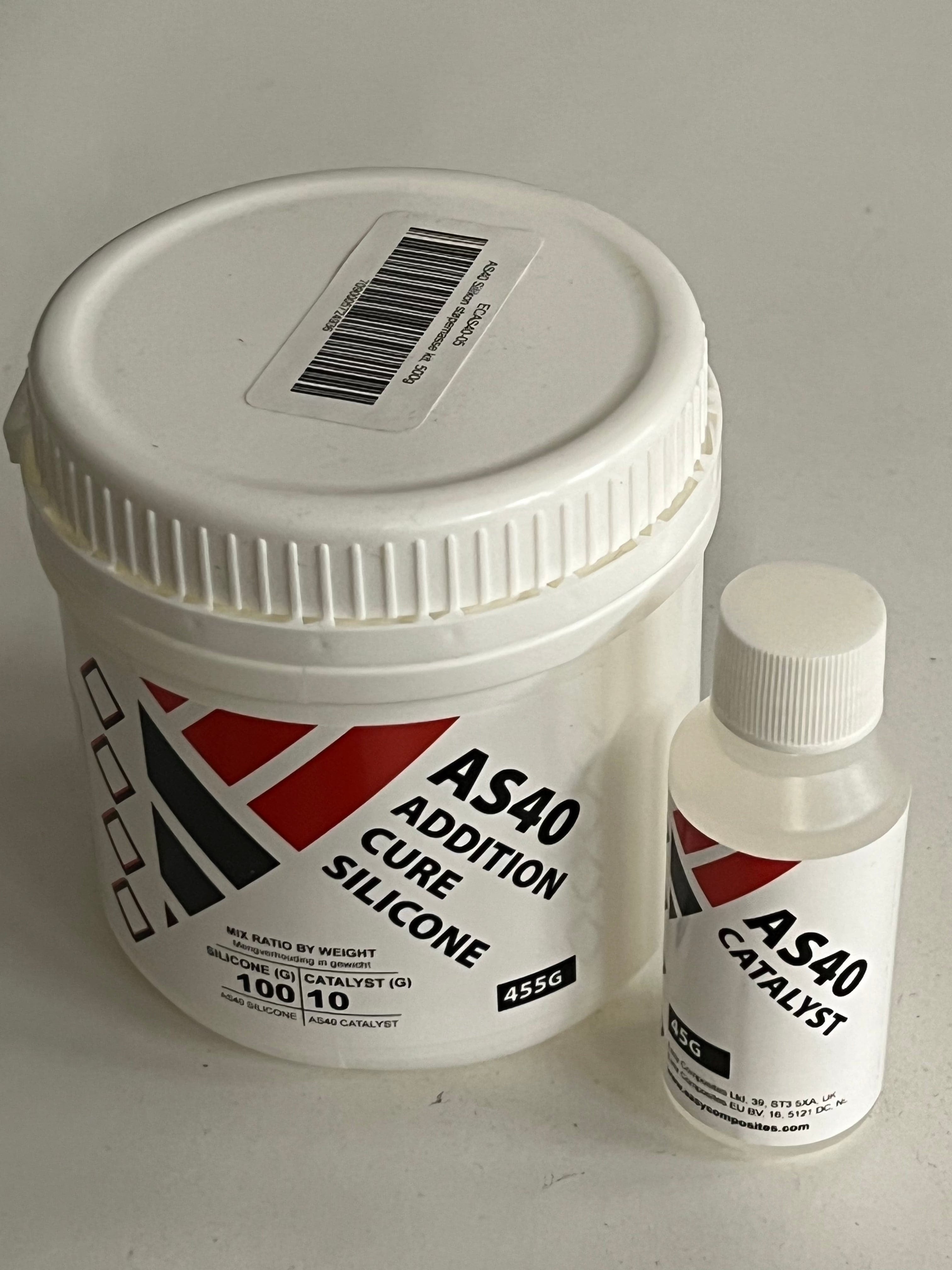
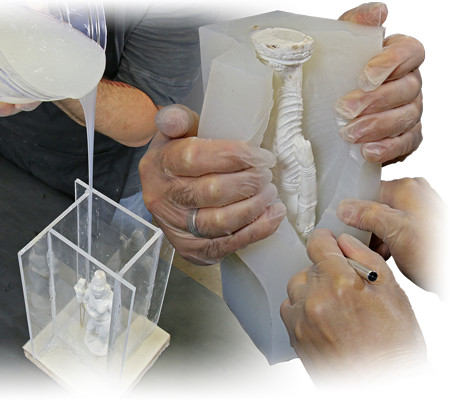
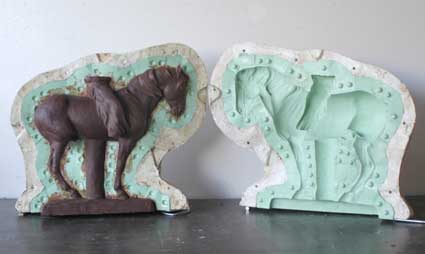
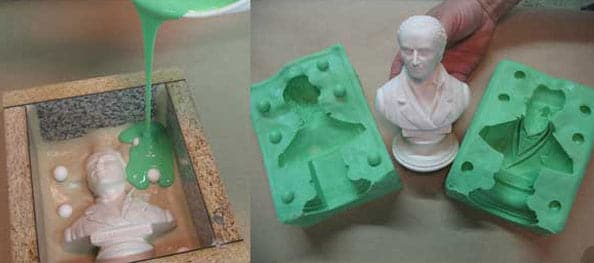
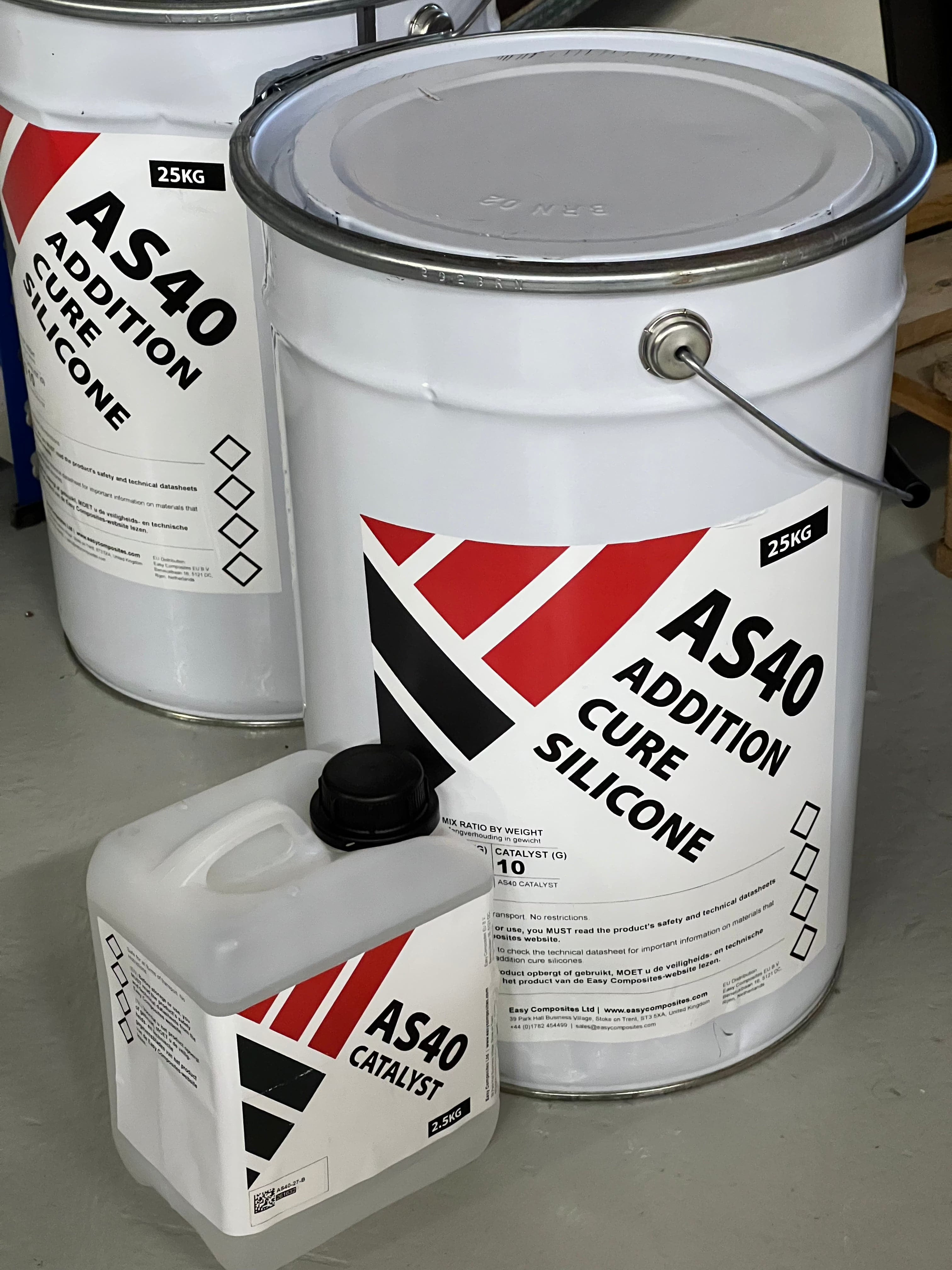
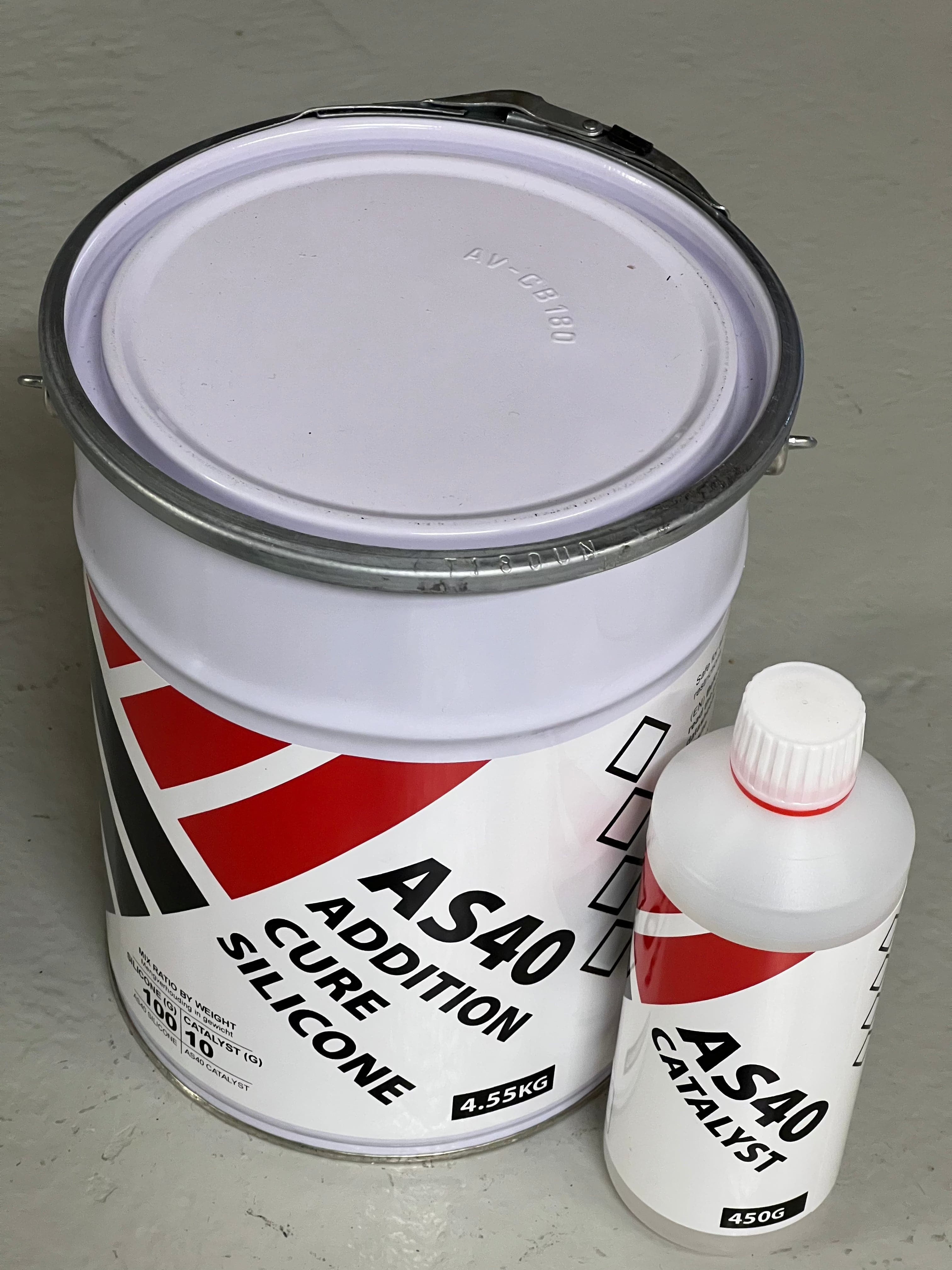

AS40 Silicone Rubber is a 2-component molding compound used for making casts of other objects. This compound provides a highly accurate cast/reproduction of the object being molded.
High durability
Cured AS40 Silicone Rubber is durable, shrinks very little, has high tear strength, and can often be used for many castings. It is resistant to styrene.
Transparent and can be colored
The silicone has excellent transparency; it can be cast completely clear or can be colored with our epoxy powder dyes. The example images have been colored or are simply examples of what can be made.
Do you need a vacuum or pressure chamber?
AS40 has a relatively high viscosity, making it slightly harder to mix and more prone to retaining air bubbles than, for example, our CS25 molding silicone. It is possible to use AS40 without vacuum or pressure, but you will achieve an easier and better result if you can remove bubbles using a vacuum or cure the mold under pressure. If you do not have access to such equipment, we recommend checking out our CS25 molding silicone, which is very beginner-friendly, although it is not as hard and not as transparent as AS40.
Mixing ratio and curing times
100 parts by weight base (Addition Cure Silicone Rubber)
10 parts by weight hardener (Catalyst)
Density: 1.08 g/cm³ at 20°C
Pot life after mixing base and hardener: Approx. 30 minutes at 20°C
Curing time at 20°C: Approx. 24 hours.
Curing time at 60°C: Approx. 2 hours.
Curing time at 70°C: Approx. 1 hour.
Curing time at 80°C: Approx. 30 minutes
The molding compound cures down to 10°C, but the curing time will be longer at lower temperatures.
This molding compound consists of two components (base and hardener), and the package is supplied with the correct amount of each component. Base and hardener must be mixed in the correct ratio for the molding compound to cure.
Instructions for use
- Find an empty container or box to be used for the molding work.
- Place the object to be molded/reproduced into the box. You may want to glue it to the bottom of the box so it does not move when you pour the molding compound.
- Shake the bottle of hardener before mixing it with the base.
- Use a mixing cup, a syringe with measurements, or a scale to measure the correct amount of base and hardener.
- Mix well but carefully to avoid "whipping" air into the mixture when combining the two components.
- Scrape the sides and bottom of the mixing cup to ensure that the hardener and base are thoroughly blended.
- Then pour the mixed molding compound over the object in the box. Pour carefully and in a thin stream. Let the molding compound flow over and cover the object in the box.
- If air bubbles appear on the surface of the molding compound, you can pop them with a toothpick. If you have a vacuum chamber, it can also be used to remove air bubbles from the molding compound.
- Let the molding compound cure for 24 hours at 20°C. If you increase the temperature, the curing process will be faster.
- Once the molding compound has cured, remove the container or box from the cured mold.
- Then detach the mold from the object you have cast. If necessary, use a utility knife to assist.
- If you have used a utility knife to slice the cured mold to release it from the original object, you can tape the mold back together before filling it with epoxy to make a new reproduction.
Thickening agent
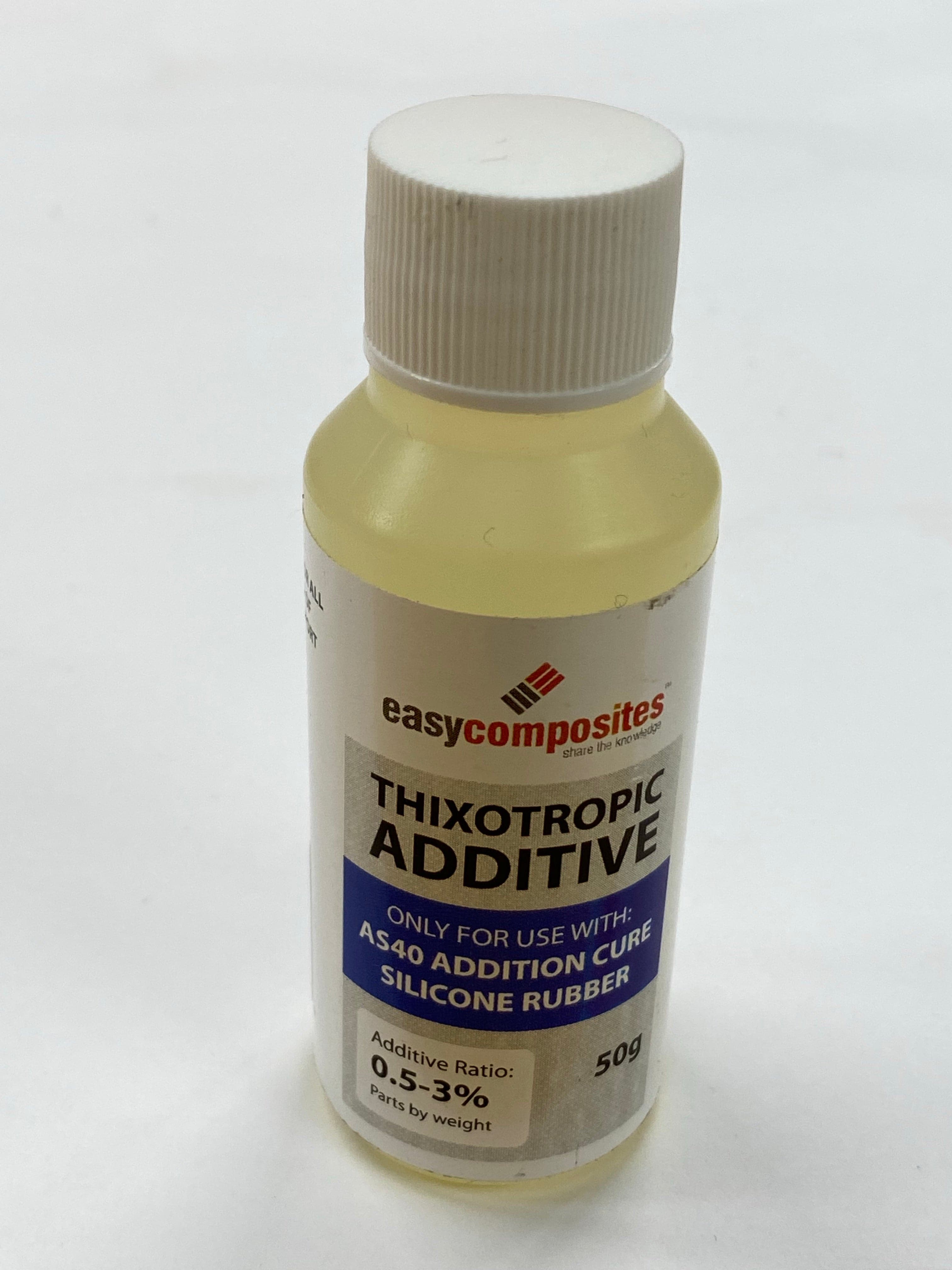
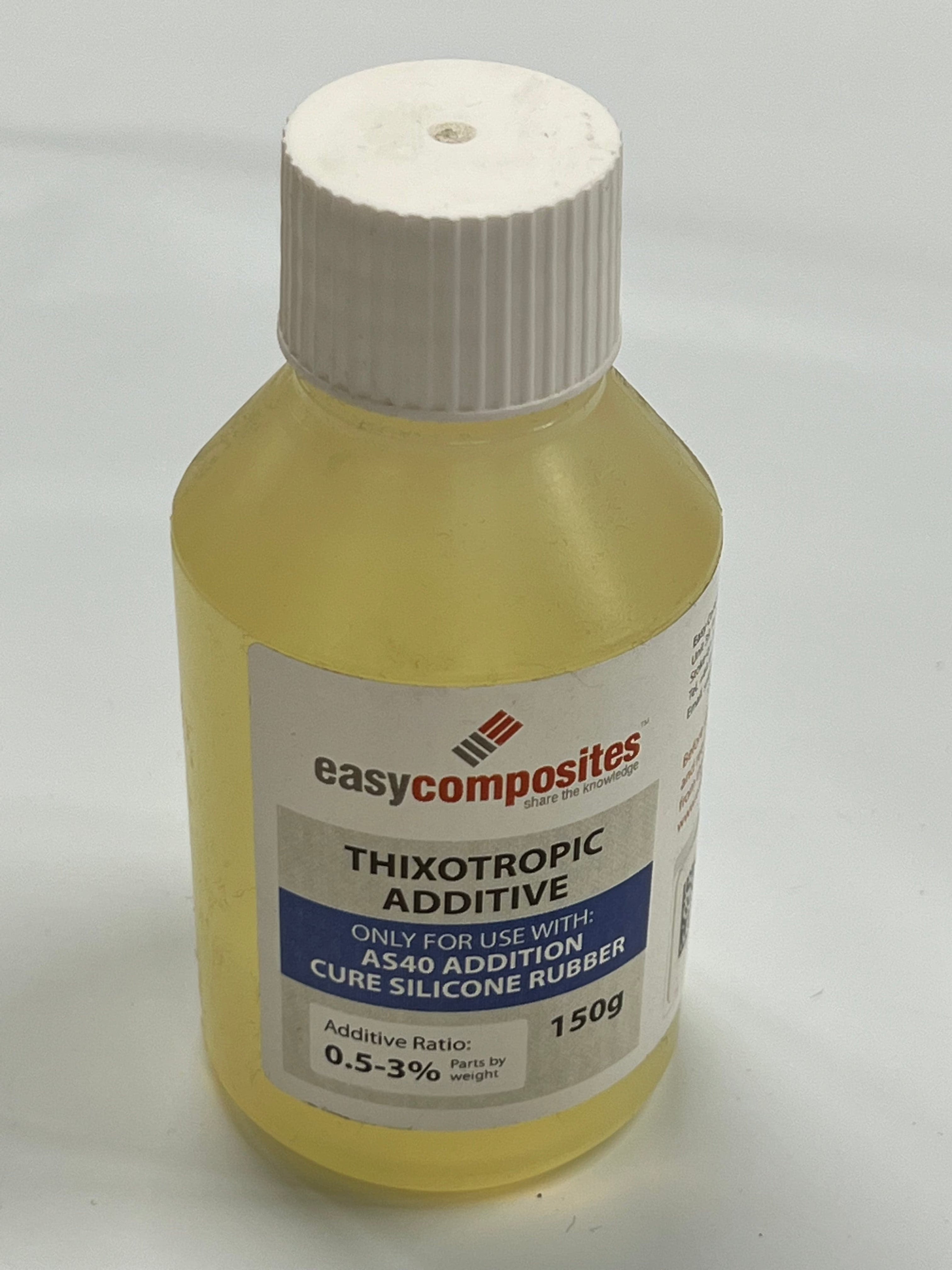
Mix in 1-3% thickening agent into the silicone to make it thicker for application onto sculptures and vertical surfaces. A 50g bottle can treat up to 5kg of silicone, or slightly less if you want it more viscous.
Always perform a test
AS40 Silicone Rubber can be used to make molds of most types of objects in plastic, metal, wood, etc. Remember, some objects must be coated with wax before pouring the molding compound so that it will release from the object after curing.
We always recommend performing a test before starting important work so that you become confident in how the materials perform.
AS40 silicone molding compound is almost odorless.
Wear gloves and safety goggles and ensure you work under the conditions specified in the safety data sheet.
See all the deals in the Black Month collection
Let customers speak for us
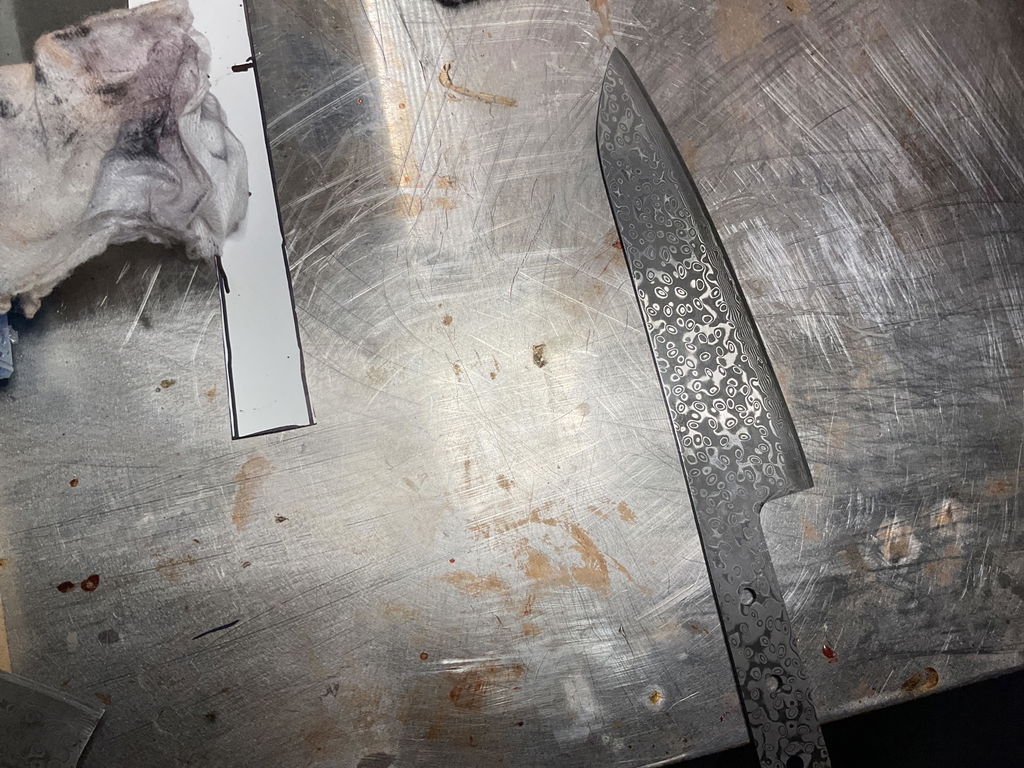
Lagde en kokkekniv og behandlet den m saltsyre og nøytraliserte m natron ,ble veldig fornøyd m resultatet,første gangen jeg prøver dette men det blir ikke siste gangen
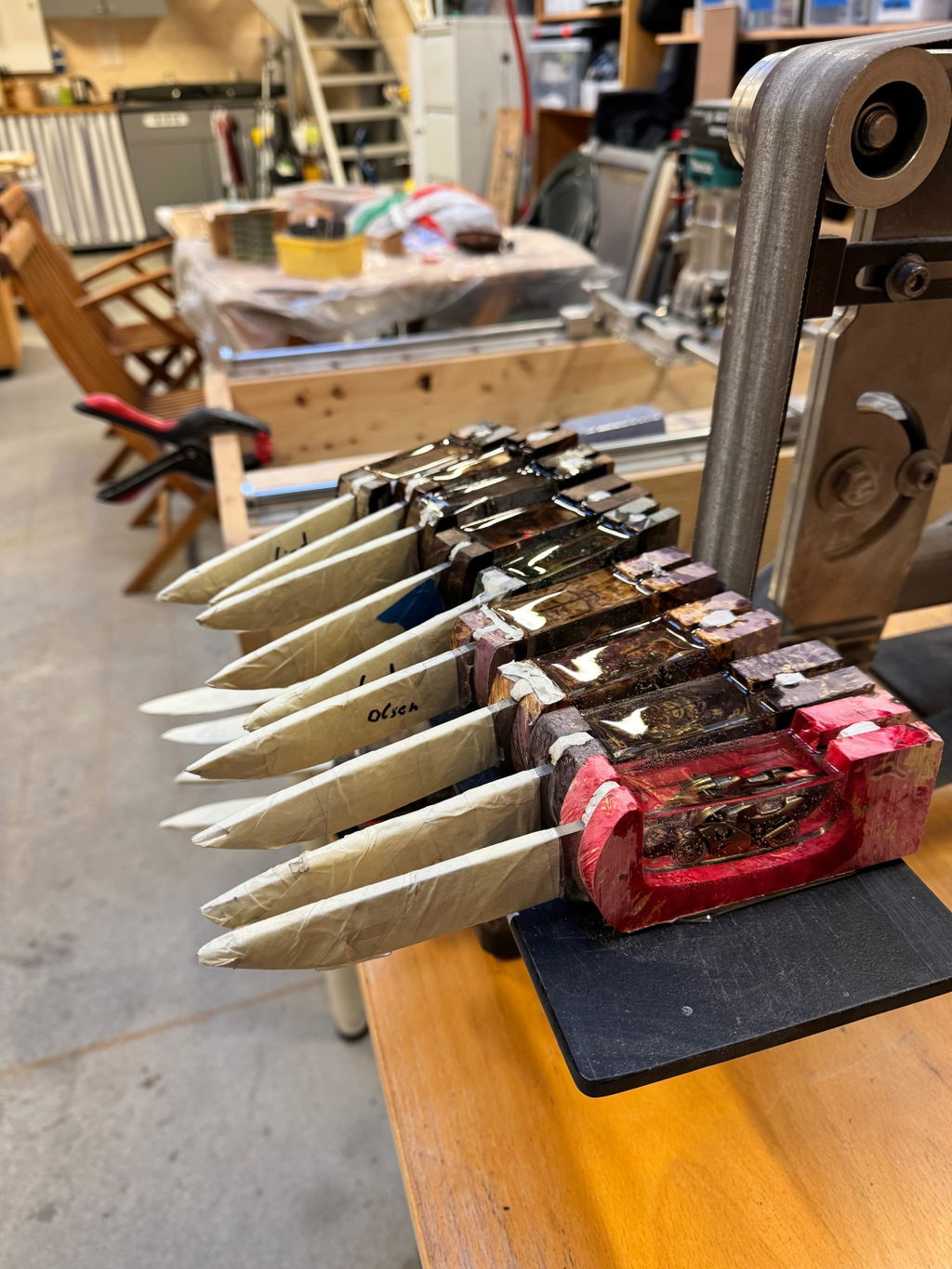
Ok. Langsom herder krever større tolmodighet i herdetiden, men resultatet blir bare bedre enn med hurtigherder. I alle fall for mine knivskaft som krever ca 3,5 cm støpetykkelse.
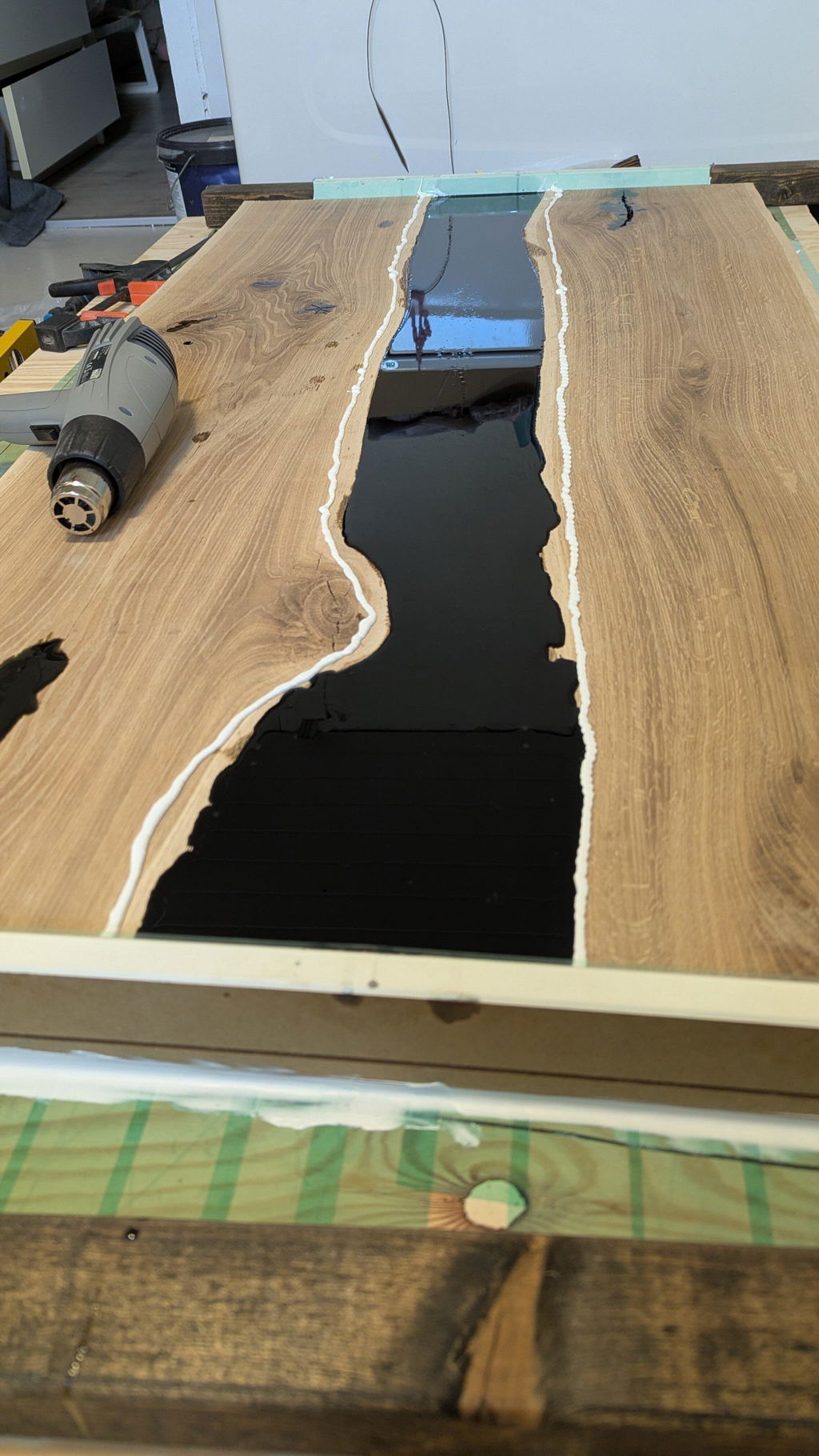
Veldig fornøyd, blir spennende å se sluttresultatet. Støpt i 2 lag, da den er 50 mm tykk.
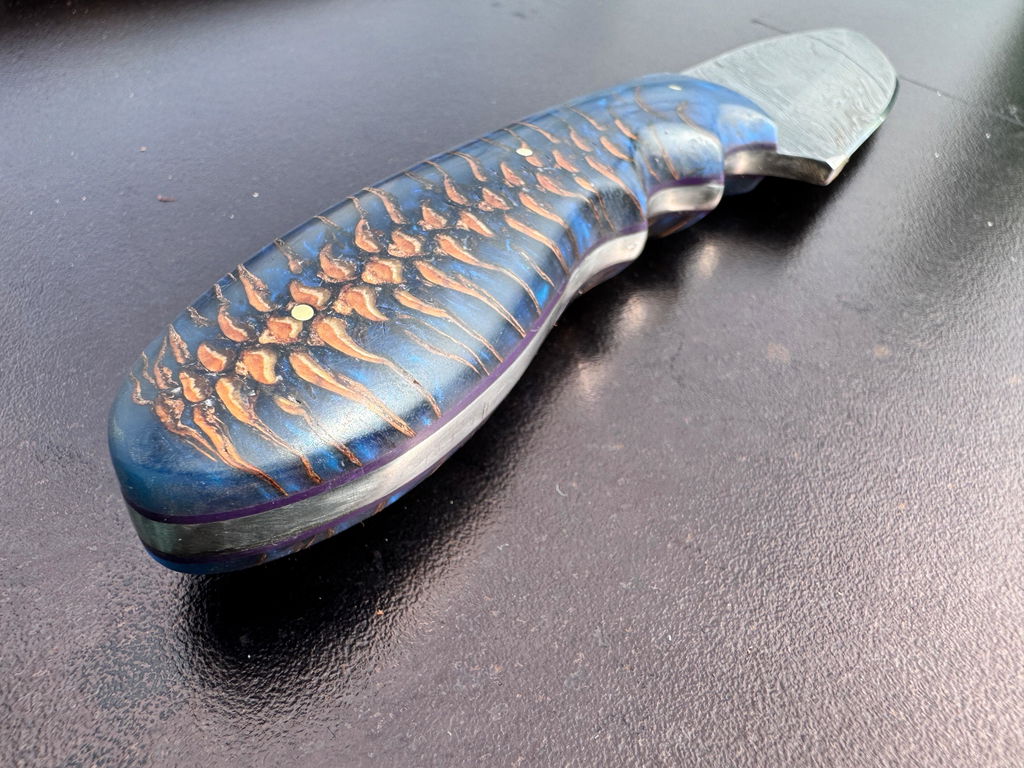
Disse G10 platene er ideelle, med mål som går greit opp i forhold til klossene. Tror det likevel er fornuftig å slipe flatene lett for god heft mot epoxyen.

Suveren løsning dor støp av knivskaft , 45x30x120mm, boblefritt resultat

Dette er andre gangen jeg bruker den på en av mine skulpturer. Er fortsatt litt forsiktig og med hensyn til størrelsen (ca 1m høy) og komplekser av formen i kombinasjonen med at eternal seal begynner å tørke etter 10min, så har jeg brukt sist nevnte tre ganger tynn på dette arbeidet.
Materiale er osp, som til vanlig har lite kjerneved/mønster med unntak der det har begynt å råtne. Resultatet med vinnes har vært utrolig: bare ser på nesten perlemor effekten av mønster selv helt ytterst på emne. Kan desverre ikke demonstrere forskjellen med før og etter behandling video, vedlegger derfor bare endelige resultatet.
Ønsket jeg hadde kjent til dette der jeg laget alle møblene mine ...

Denne fungerer meget bra. Bruker den som «vange» på knivskaft med innstøpte motiver. (Fiskefluer, pilspisser, prosjektiler etc). Anbefales!

Brukt som skaft i den blå kokkekniv, og frontholk på to andre kokkekniver.
Brukes også som frontholk på tur og brukskniver.

Veldig fornøyd, knivbladet kom raskt og var akkurat som forventet. Gleder meg til å komme i gang med skaftet til denne kniven. Anbefaler Storbua på det varmeste.

Kjempestilig knivblad med kule funksjoner. Ser veldig bra ut og kom levert sylskarpt.

Jeg har prøvd hele vinnies sortiment jeg har fått tilsendt fra storbua, og er meget godt fornøyd med alle produktene. Jeg bruker de i møbelproduksjon, lamper og kuttefjøler ( endeved highend). De er lette å jobbe med og resultatet blir ekstremt bra. Jeg kan virkelig anbefale disse produktene.

Laget denne av bambus og lær. Fantasisk blad som passer stilen.

Veldig fornøyd med resultatet men ønsker jeg hadde sett vidden før det første strøket med eternal seal var påført (ser at et veldig tynn lag kan oppfattes veldig forskjellig). Eike emna var hull og veldig gammelt, dvs fint porøs. Jeg påførte 2 veldig tynne lan med UPO som jeg i etterkant vurderte som for tynn. Så i mitt tilfelle ble det to lag med eternal seal som gjorde jobben og jeg er veldig fornøyd. Neste gang blir det litt mer UPO, veldig sparsom i bruk, brukte veldig lite til tross for størrelsen av emne, nok igjen til 3-4 av samme størrelsen :)

Flotte produkt, knivbladet fra Frode passet perfekt til en kniv som går til en kompis.

Svært slitesterk finish, og gir et fint resultat. Jeg bruker ikke noe annet til møblene mine.